
The first step to bringing home your new best friend
|
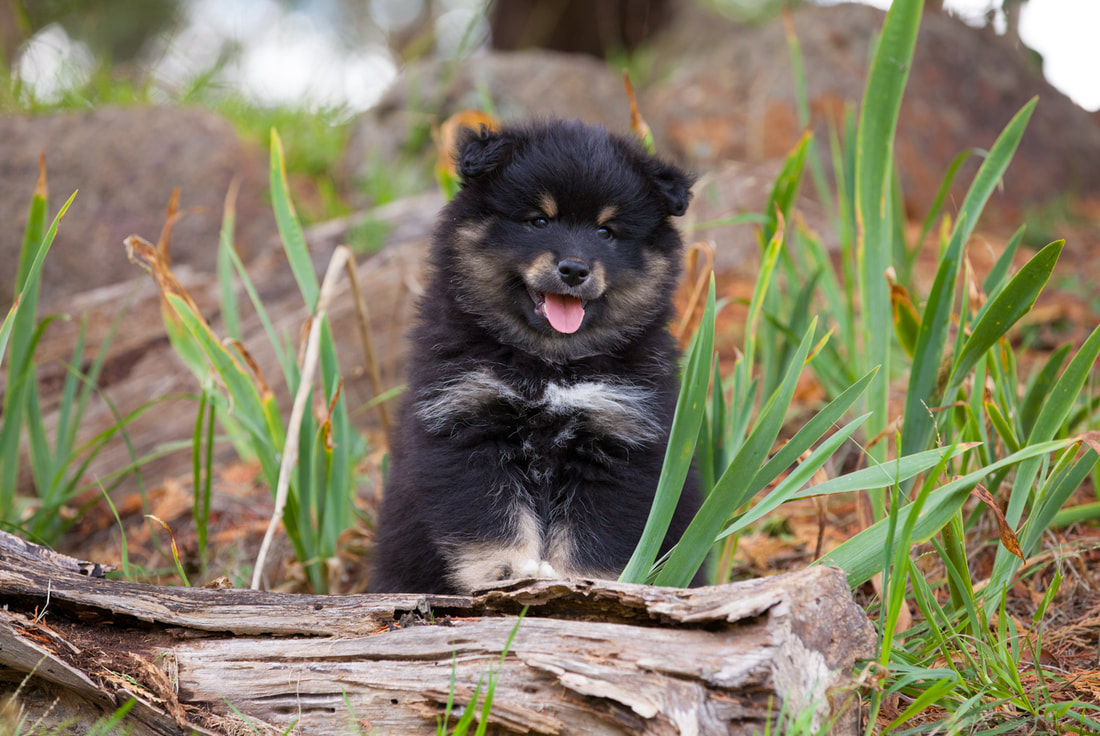
Before you startThere are very few things more exciting than bringing a new puppy home but with emotions running high and cute puppy photos to swoon over, it can be really hard to make decisions about your new family member with your head instead your heart.
Gone are the days of just looking in the local paper or going to the pet shop and picking up a puppy - today, many pet parents want to make sure that they are choosing a breed that's suitable for their situation, buying from an ethical breeder and making sure that they are as prepared as they possibly can be for the first few months with their new best friend. Smart decisions made before your puppy comes home can make all the difference between those first few months being smooth sailing or a stressful nightmare! We hope this page gives you some things to consider and helps set you and your future puppy up for success. |
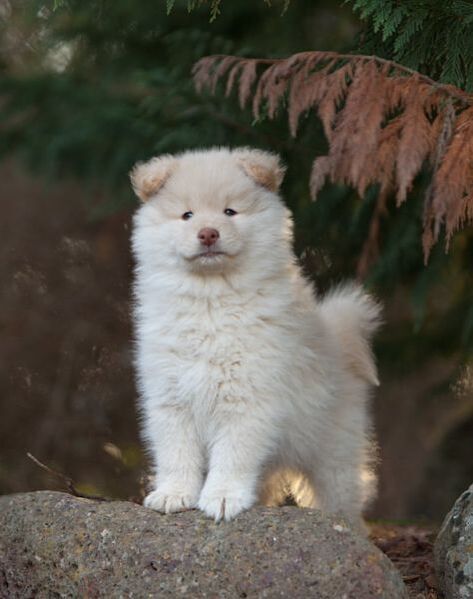
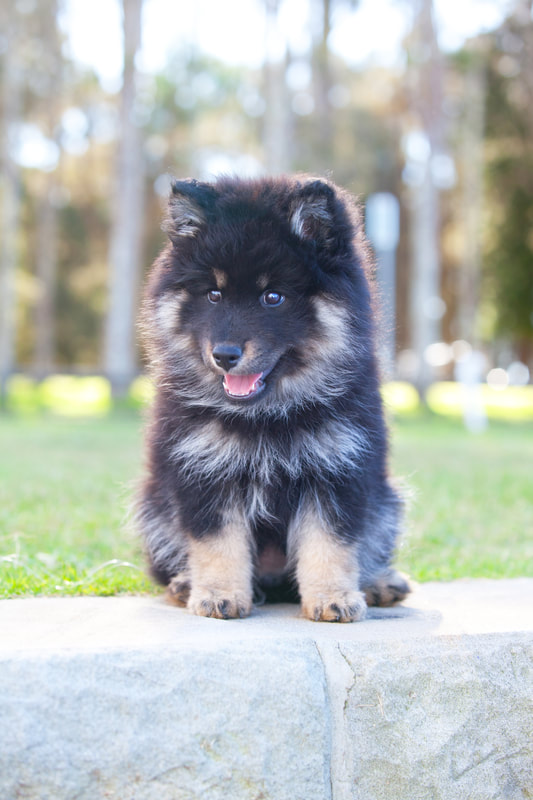
The problem with "ethical breeders".
No matter what kind of dog they're breeding, from top winning pedigree show dogs and purpose bred working/sports dogs to high-volume commercially produced dogs of every mixed breed imaginable, you would be hard pressed to find a breeder that doesn't believe that they are ethical.
And so we get to the problem with "ethical breeders" - there is no single answer as to what makes a breeder ethical and it's up to us to decide where our ethics sit, then shop accordingly.
Over the years, our idea of what makes a breeder ethical has changed. As the saying goes, when we know better, we can do better and as more scientific studies have been done and we have learned more about breeding practices and everything that comes with producing and raising well bred companion dogs we've refined and updated what we think is ethical. Though the below does't apply to breeders of working or service dogs (organisations like the police, military and guide dogs have a very different criteria to companion dogs), our current stance is this:
Ethical breeders strive to breed and raise the healthiest, happiest and most resilient dogs possible, who are typical of their breed. All of their dogs, whether they're puppies or adults should be loved pets first and foremost and lead enriched lives. Ethical breeders are advocates for their dogs, their breed and for responsible dog ownership in general.
And so we get to the problem with "ethical breeders" - there is no single answer as to what makes a breeder ethical and it's up to us to decide where our ethics sit, then shop accordingly.
Over the years, our idea of what makes a breeder ethical has changed. As the saying goes, when we know better, we can do better and as more scientific studies have been done and we have learned more about breeding practices and everything that comes with producing and raising well bred companion dogs we've refined and updated what we think is ethical. Though the below does't apply to breeders of working or service dogs (organisations like the police, military and guide dogs have a very different criteria to companion dogs), our current stance is this:
Ethical breeders strive to breed and raise the healthiest, happiest and most resilient dogs possible, who are typical of their breed. All of their dogs, whether they're puppies or adults should be loved pets first and foremost and lead enriched lives. Ethical breeders are advocates for their dogs, their breed and for responsible dog ownership in general.
What we look for in a breeder.
Dogs who are pets firstBreeders should not have a lot of dogs at home so they have a good amount of one on one time with each dog. We want to see dogs who are kept inside the house, not in kennels and whose lives are enriched through training.
|
Carefully researched pairingsEthical breeding takes time. Breeders should carefully consider and research the lines they're using. They should be looking at the structure, temperament, health and type of the lines they're using so they produce puppies who are typical of the breed.
|
Actively raising litters themselves |
First right of refusal |
Continuously learning |
We want breeders to treat their dog as much loved family pets first.
This means not having a lot of dogs at home so they have a good amount of one on one time with each dog , making sure that the dogs live inside as part of the family, and
We want breeders who carefully consider each mating they do.
Ethical breeding takes a lot of time and work to research lines. looking at structure, temperament, health and type to produce puppies who are typical of their breed and
We want breeders who take an active role in raising their puppies.
We want them to treat them as pets first and share their lives, their family, their time and their home with them. We want them to be spending quality time with their dogs every day and keeping the number of dogs that they own low enough that they can have individual time with each of them. We want them to allow their dogs to live in the house rather than in kennel set ups, not just because dogs are companions, but also so they know what their dogs are like to live with and can tell potential puppy buyers what to expect.
We want to know that breeders are carefully considering the mating combinations they're putting together and extensively health testing every dog they breed from. We want them to be open and honest about any health problems they do find so we have more data available about health conditions in the breed.
We want them to take an active role in raising their puppies, not handing this responsibility off to other people (especially paid employees), so that they know each puppy's individual personality and can place them in a suitable home. We want them to raise their puppies in the home, so those puppies can be exposed to the sights, sounds and smells that they will experience for the rest of their lives (we call this passive socialisation). We also want them to be actively socialising them, introducing them to new and novel experiences so puppies learn how to accept and adapt to unknown situations and can learn how to work with and behave around people.
We want breeders to take back any dog they breed if we can't keep it for any reason.
We want breeders to be interested in the puppies they have bred as the grow older so they can provide help and advice to their owners with whatever problems come up throughout the dog's life and so they know of any health conditions that come up down the track. For this reason, we want breeders not to breed more than a few litters per year - so they have the time they need to help each puppy to thrive while they're with them, and so they can support their new families with the transition once they go home. If that home doesn't work out, we want them to take the dog back, so they never end up in a pound or rescue situation and can be rehomed into the perfect forever home.
We want breeders to be continually learning.
We want breeders to be continually learning more about breeding, training, behaviour, health etc and educating others about those things too, especially their puppy buyers so they know what to expect. We want them to breed dogs as a hobby so they aren't having to consider the financial interests of their business over the welfare of their dogs and finally, we want breeders to make decisions that are in the best interest of the individual dogs, not only considering what is best for their breeding program.
For a breeder who truely loves their dogs and wants the best for them, these things are not a big ask.
This means not having a lot of dogs at home so they have a good amount of one on one time with each dog , making sure that the dogs live inside as part of the family, and
We want breeders who carefully consider each mating they do.
Ethical breeding takes a lot of time and work to research lines. looking at structure, temperament, health and type to produce puppies who are typical of their breed and
We want breeders who take an active role in raising their puppies.
We want them to treat them as pets first and share their lives, their family, their time and their home with them. We want them to be spending quality time with their dogs every day and keeping the number of dogs that they own low enough that they can have individual time with each of them. We want them to allow their dogs to live in the house rather than in kennel set ups, not just because dogs are companions, but also so they know what their dogs are like to live with and can tell potential puppy buyers what to expect.
We want to know that breeders are carefully considering the mating combinations they're putting together and extensively health testing every dog they breed from. We want them to be open and honest about any health problems they do find so we have more data available about health conditions in the breed.
We want them to take an active role in raising their puppies, not handing this responsibility off to other people (especially paid employees), so that they know each puppy's individual personality and can place them in a suitable home. We want them to raise their puppies in the home, so those puppies can be exposed to the sights, sounds and smells that they will experience for the rest of their lives (we call this passive socialisation). We also want them to be actively socialising them, introducing them to new and novel experiences so puppies learn how to accept and adapt to unknown situations and can learn how to work with and behave around people.
We want breeders to take back any dog they breed if we can't keep it for any reason.
We want breeders to be interested in the puppies they have bred as the grow older so they can provide help and advice to their owners with whatever problems come up throughout the dog's life and so they know of any health conditions that come up down the track. For this reason, we want breeders not to breed more than a few litters per year - so they have the time they need to help each puppy to thrive while they're with them, and so they can support their new families with the transition once they go home. If that home doesn't work out, we want them to take the dog back, so they never end up in a pound or rescue situation and can be rehomed into the perfect forever home.
We want breeders to be continually learning.
We want breeders to be continually learning more about breeding, training, behaviour, health etc and educating others about those things too, especially their puppy buyers so they know what to expect. We want them to breed dogs as a hobby so they aren't having to consider the financial interests of their business over the welfare of their dogs and finally, we want breeders to make decisions that are in the best interest of the individual dogs, not only considering what is best for their breeding program.
For a breeder who truely loves their dogs and wants the best for them, these things are not a big ask.
Red Flags
What is a "registered breeder?"As a puppy buyer, one of the first questions you should ask is "Are you a registered breeder and which organisation are you registered with?" Some breeders may only be registered with their local council and want to look like they have higher credentials than they do, but some may be registered with one of the newer registries like the Master Dog Breeders and Associates (MDBA) or the American Bully Kennel Club (ABKC). If you are after a pedigree dog though, Dogs Australia is the official, internationally recognised registry so as a bare minimum, all pedigree dog breeders should be registered with them.
Dogs Australia, which up until recently was known as the Australian National Kennel Council (ANKC), holds their breeders to a higher set of welfare standards than is required by law, however as those minimum standards are still quite minimal, it's important to do your own research and find a breeder that shares your ethics. As Dogs Australia operates on a state by state basis you may find that breeders refer to themselves as a Dogs NSW, Dogs Victoria, Dogs West etc breeder instead. If you would like to check to see if your breeder is registered, you can check this information on the Dogs Australia website (scroll down to Registered Breeder Check) using either their member number or their prefix. Our member number is 2100088743 and our prefix is Pawformance. |

|


Questions to ask
It can be daunting to contact breeders and outside of some of the most common questions like "what is the breed like to live with", "how much do your puppies cost" and "when is your next litter planned", it can be hard to know what to ask to make sure a breeder's ethics align with yours. The following questions have been designed to get some of those conversations started and we've provided some extra information for each, so you can see the kinds of answers we would be looking for if we were looking to bring a new puppy home.
How many dogs do you have and where do they live?
|
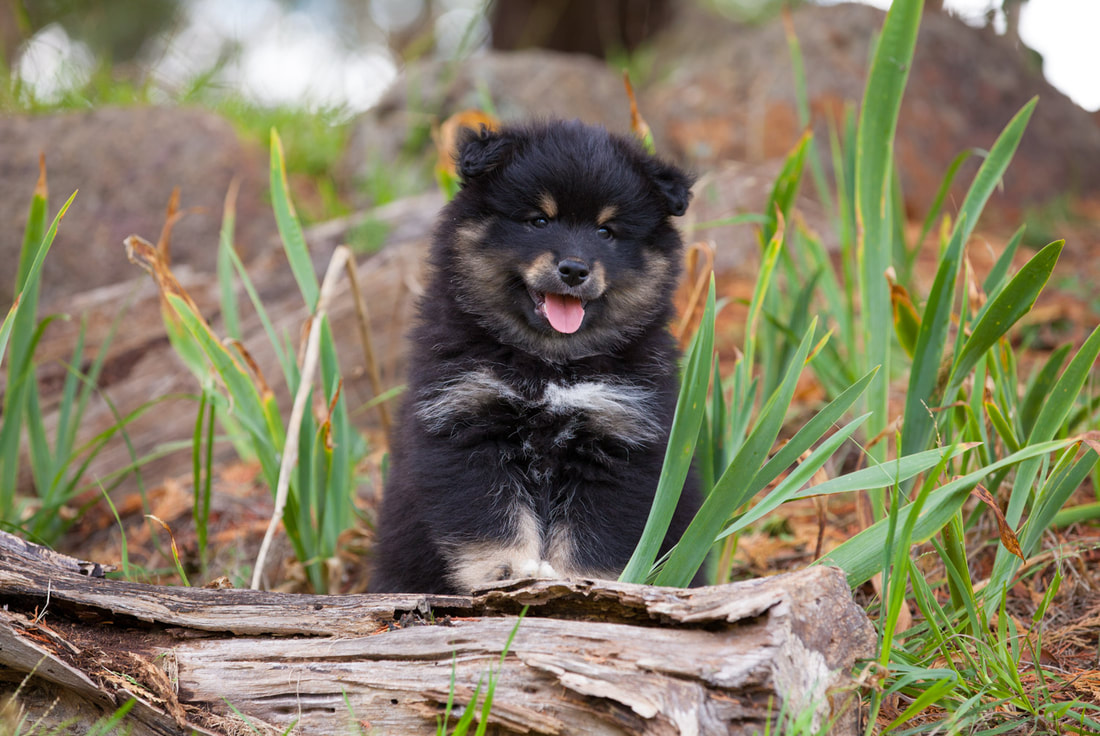
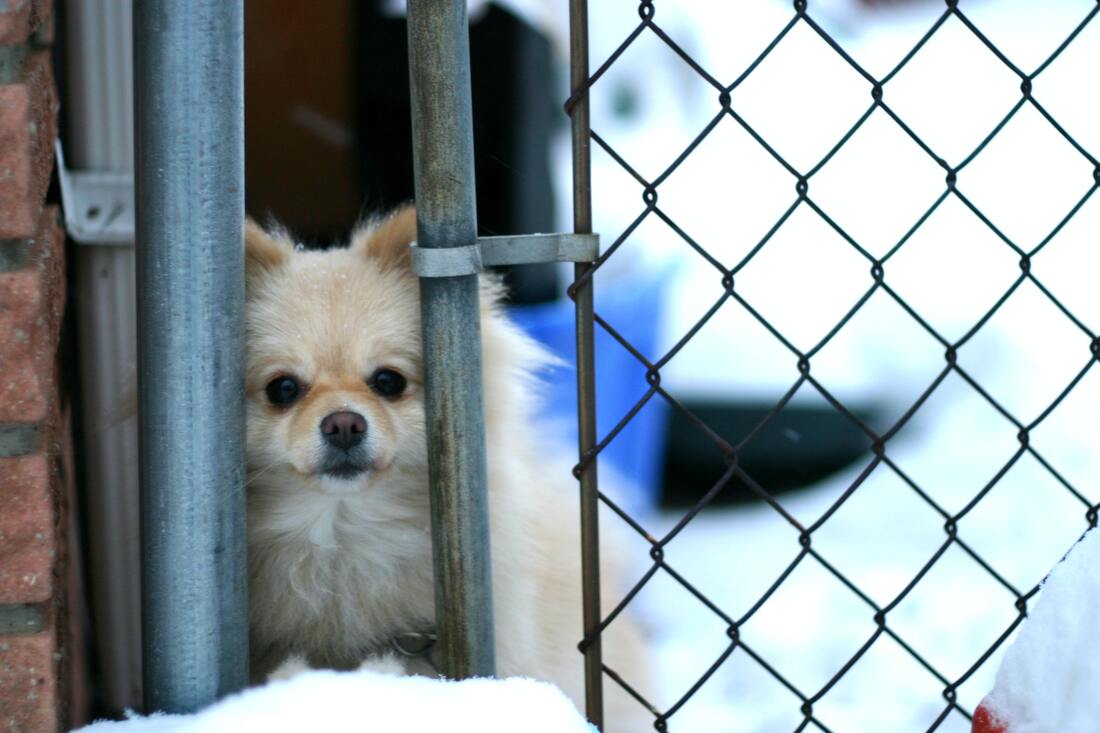
Our preference is always that breeders have small numbers of dogs at home so they can spend lots of one-on-one time with them, can easily keep track of their individual health and welfare and have them live in the house as much-loved pets, rather than in kennels. Studies into dogs kept in kennel environments show that they have a higher level of stress hormone and long term exposure to this can weaken their immune system, leaving them more prone to disease and can even change the way that genes express themselves in their brain! Kennel dogs often display very different behaviours to what they would if they lived in a home environment, which unfortunately can be passed onto their puppies even if the litter is not being raised in the kennels, as their mother is a huge influencing factor in their early development. Having a breeder who lives with their dogs also means that they are likely to have first hand, recent experience of the kinds of issues that you'll experience with your puppy, and will know what worked (and what didn't) to solve them.
|
How do you decide which mating combinations you put together?
|
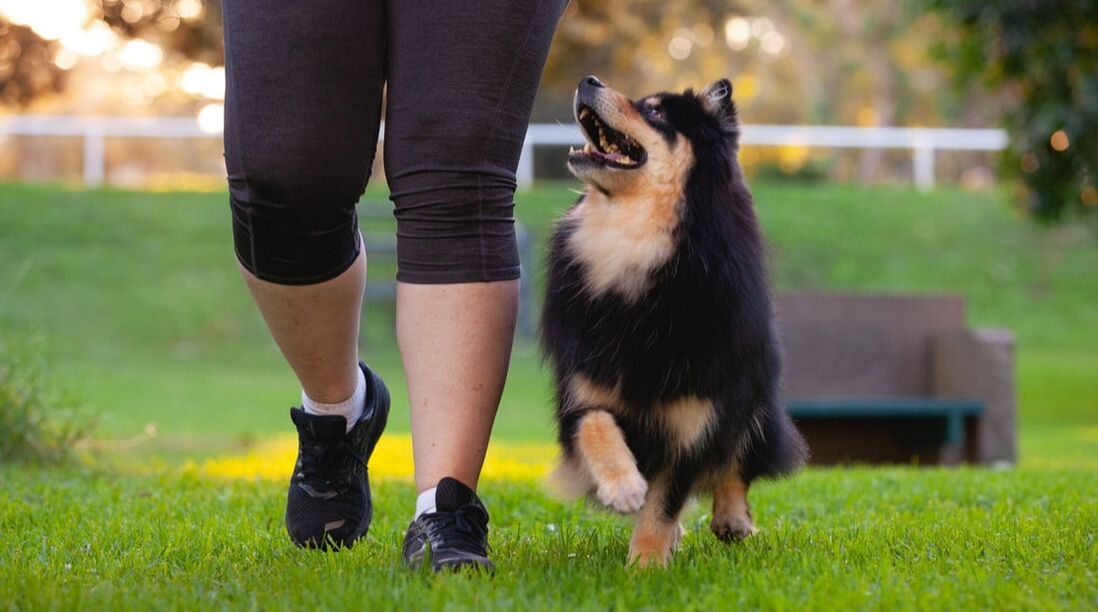
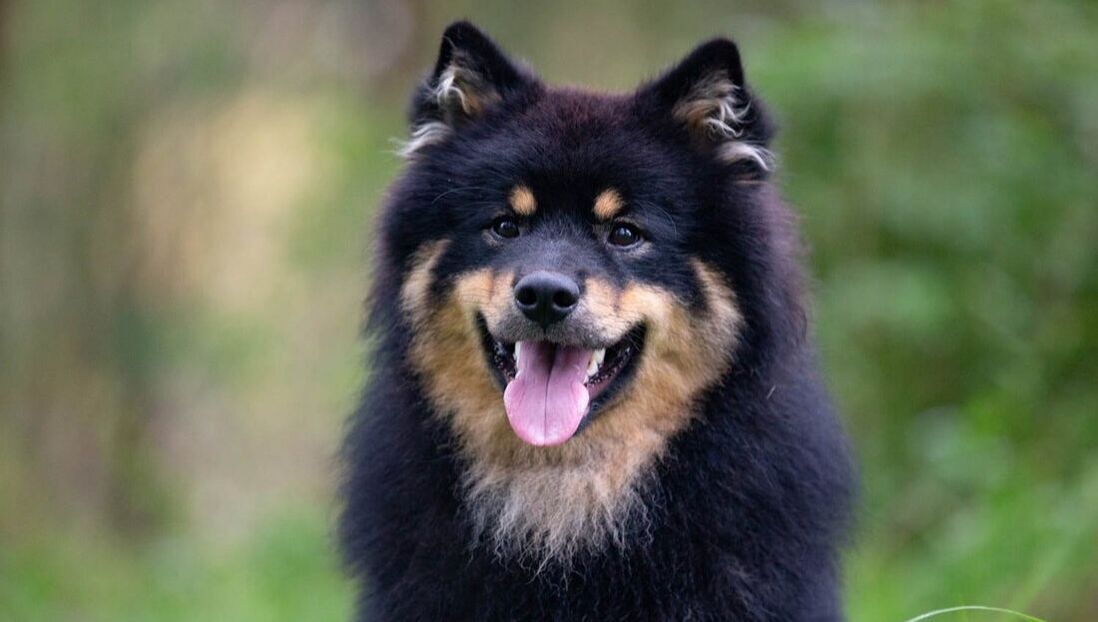
The number of litters a breeder has is a controversial topic amongst While it is true, some breeders can have more litters than others without their very high standard of care dropping, it's our belief that a breeder should be there every step of the way and often the way a breeder handles having large numbers of litters (which we consider to be anything over 3 litters per year), is by having employees. |
|


How do you raise your puppies and how many litters do you have per year?
|
Having a litter is a lot of work. It's not only incredibly tiring but it's also
|

What health testing do you do?
|
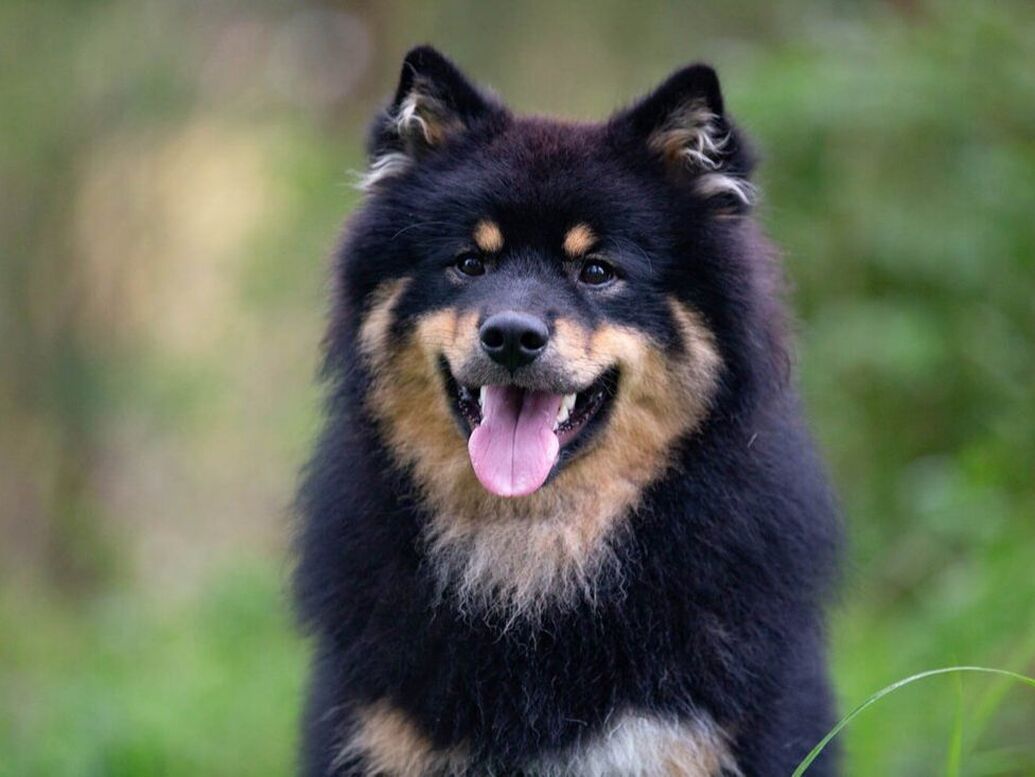
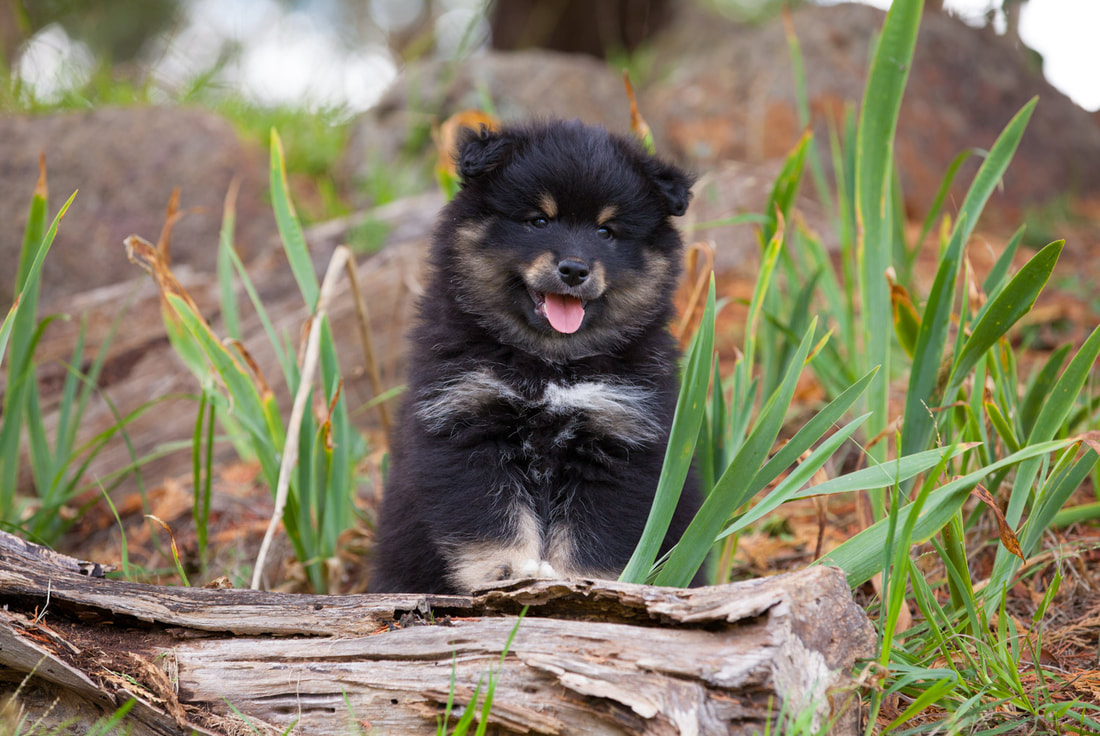
In Australia, there are several different registries that breeders could be talking about when they say that they are a "Registered Breeder" but the internationally recognised registry for pedigree dogs is Dogs Australia (formerly known as the Australian National Kennel Council or ANKC). Dogs Australia operates on a state by state basis, so you may find that a breeder will refer to themselves as a Dogs NSW, Dogs Victoria or Dogs West etc breeder, rather than a Dogs Australia breeder. Breeders who are registered with Dogs Australia are held to a higher set of welfare standards than is required under law (in NSW this is both the Prevention of Cruelty to Animals and Companion Animals Acts) but not all breeders have the same ethical stance so finding one that shares yours is still important. All Finnish Lapphund breeders in Australia should be registered with Dogs Australia - if you would like to check to see if your breeder is registered, you can request their member number (they will sometimes display this on their website) and contact your state body to make sure that they are registered. Our membership number is 2100088743 and as we are in NSW, we are registered with Dogs NSW.
|
|


How do you choose which puppy goes to which home?
|
It's a basic expectation that your puppy will come with a pack of
Generally this includes some of the food |


What will my puppy come home with?
|
In Australia, there are several different registries that breeders could be talking about when they say that they are a "Registered Breeder" but the internationally recognised registry for pedigree dogs is Dogs Australia (formerly known as the Australian National Kennel Council or ANKC). Dogs Australia operates on a state by state basis, so you may find that a breeder will refer to themselves as a Dogs NSW, Dogs Victoria or Dogs West etc breeder, rather than a Dogs Australia breeder. Breeders who are registered with Dogs Australia are held to a higher set of welfare standards than is required under law (in NSW this is both the Prevention of Cruelty to Animals and Companion Animals Acts) but not all breeders have the same ethical stance so finding one that shares yours is still important. All Finnish Lapphund breeders in Australia should be registered with Dogs Australia - if you would like to check to see if your breeder is registered, you can request their member number (they will sometimes display this on their website) and contact your state body to make sure that they are registered. Our membership number is 2100088743 and as we are in NSW, we are registered with Dogs NSW.
|
|


What else do you do with your dogs? What enrichment do they get at home?
|
It's a basic expectation that your puppy will come with a pack of
Generally this includes some of the food |
Are you looking for more than "just a pet"?
If you're looking to try your hand at dog sports, or are thinking of showing or breeding, this is something you should discuss with your breeder when you first approach them. Finding a breeder who is knowledgeable and has first hand experience in your pursuit of choice can make a big difference for people who are new to dog sports or the show world. They can generally help you find the best places to train, troubleshoot training issues with you or call on their network of friends and contacts if they can't answer a question you have. They also tend to know what they would look for in a puppy so are much more equipped to assess their litters to see if the puppies have the show or sports potential you're looking for.
Sadly, we have seen a rise in breeders who are over-stating how much experience they have when it comes to dog sports in order to make their breeding seem like a good choice for people looking for a puppy with sports potential. For this reason, we recommend that people ask breeders what level of experience they have in "trialling" or competing with their dogs, what titles they have achieved and if they are currently competing. While it is very easy for a breeder to say that they have trained in a sport, the jump to competition is a big one, and often this is where new people will struggle. Breeders that have competed and titled dogs in the sport (or similar sports) can help with extra pieces of the puzzle like ring craft (how the human should act in the ring), pre-trial routines and training for the higher levels of the sport. Being able to go along to the sport with them will also help you expand your network and learn how the sport works before you step into the ring for the first time.
Sadly, we have seen a rise in breeders who are over-stating how much experience they have when it comes to dog sports in order to make their breeding seem like a good choice for people looking for a puppy with sports potential. For this reason, we recommend that people ask breeders what level of experience they have in "trialling" or competing with their dogs, what titles they have achieved and if they are currently competing. While it is very easy for a breeder to say that they have trained in a sport, the jump to competition is a big one, and often this is where new people will struggle. Breeders that have competed and titled dogs in the sport (or similar sports) can help with extra pieces of the puzzle like ring craft (how the human should act in the ring), pre-trial routines and training for the higher levels of the sport. Being able to go along to the sport with them will also help you expand your network and learn how the sport works before you step into the ring for the first time.
Finding a breeder
Are you considering one of the breeds we own?
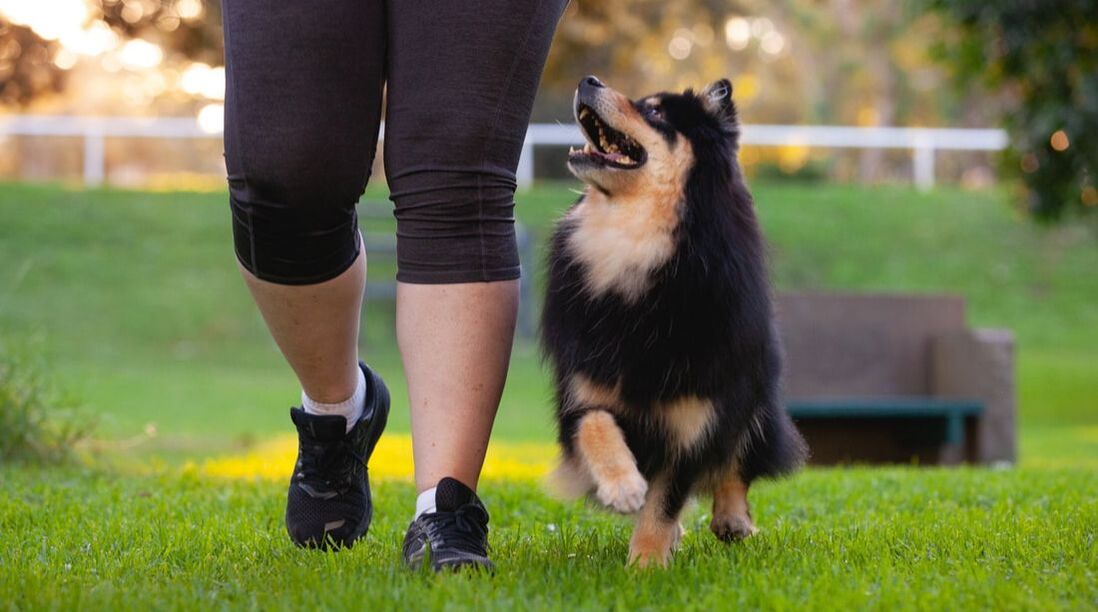
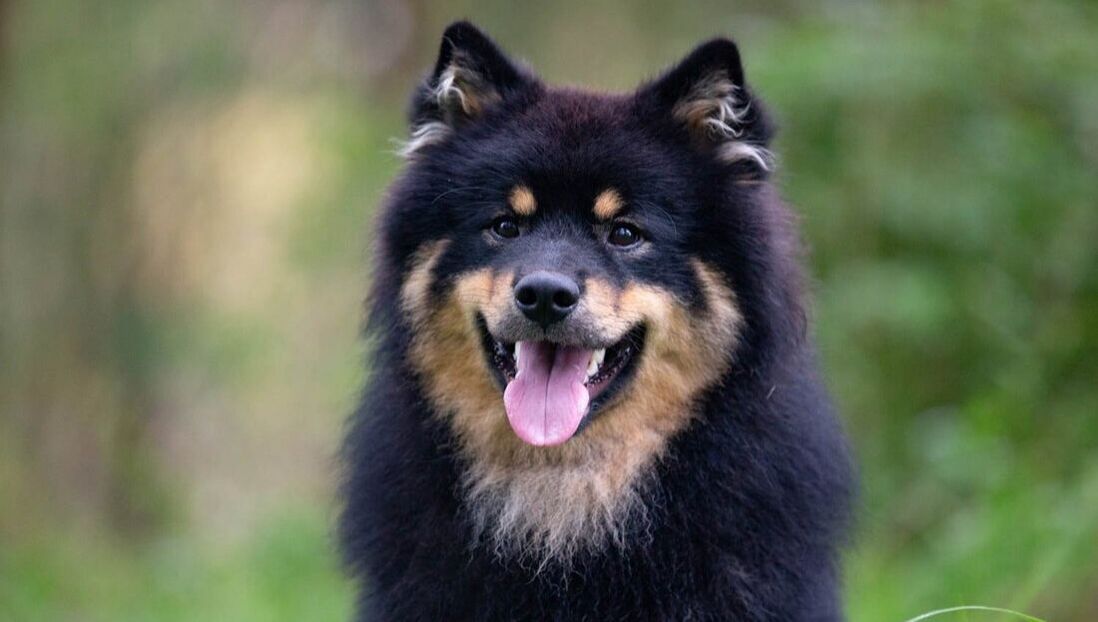
We're always happy to answer questions about our breeds. We recommend that you do your research into the breed and what they were bred to do, and if at all possible meet several dogs in the fur. While Kelpies and Sibes are relatively common, not everyone has met Finnish Lapphund before. If you are considering a Lappie we may be able to put you in contact with Lappie owners/breeders in your state so you can meet their dogs and decide if the breed is right for you.
|
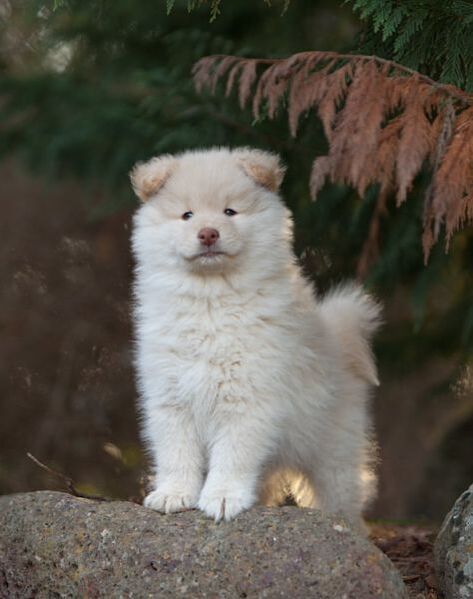
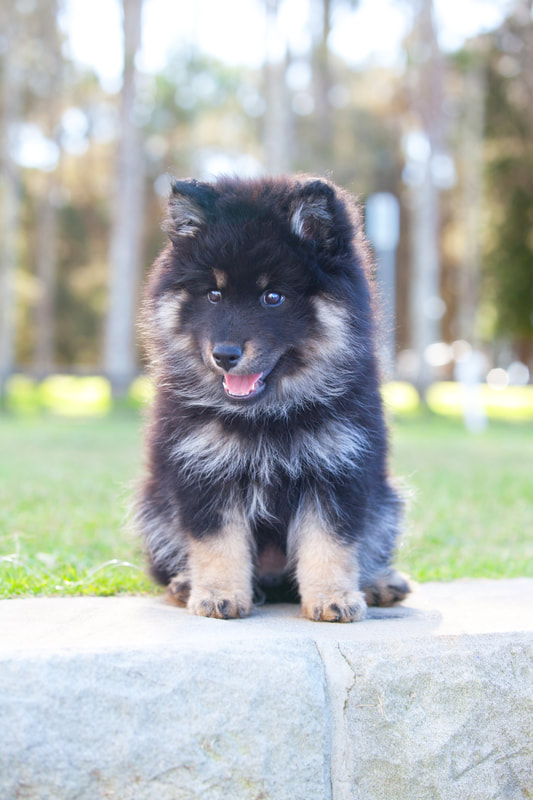
FINNISH LAPPHUND
Lappies or "Suomenlapinkoira" are strong, hardy working dogs from the harsh northern region of Finland, known as Lapland. |
AUSTRALIAN KELPIE
An iconic Australian breed, Kelpies are the ultimate farm dog, well known for their endurance and intelligence |
SIBERIAN HUSKY
Originally bred by the Chukchi people from North-Eastern Siberia, Sibes are an agile breed with a mind of their own. |