|
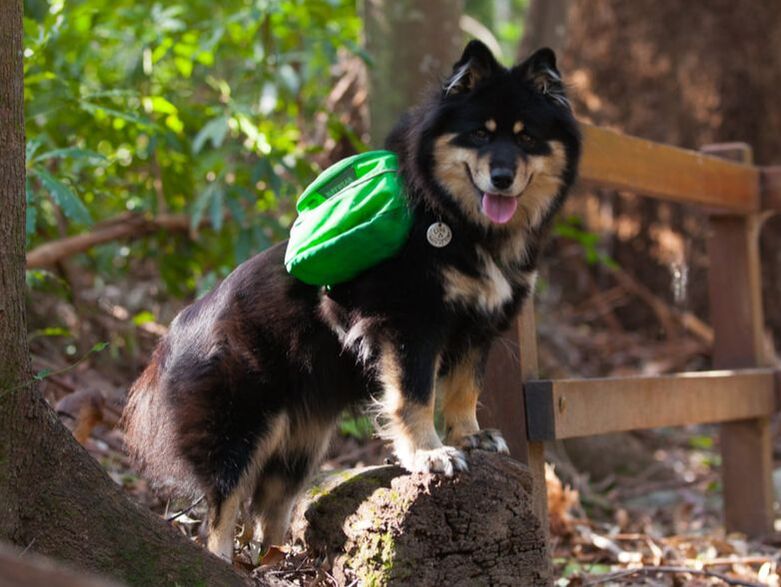
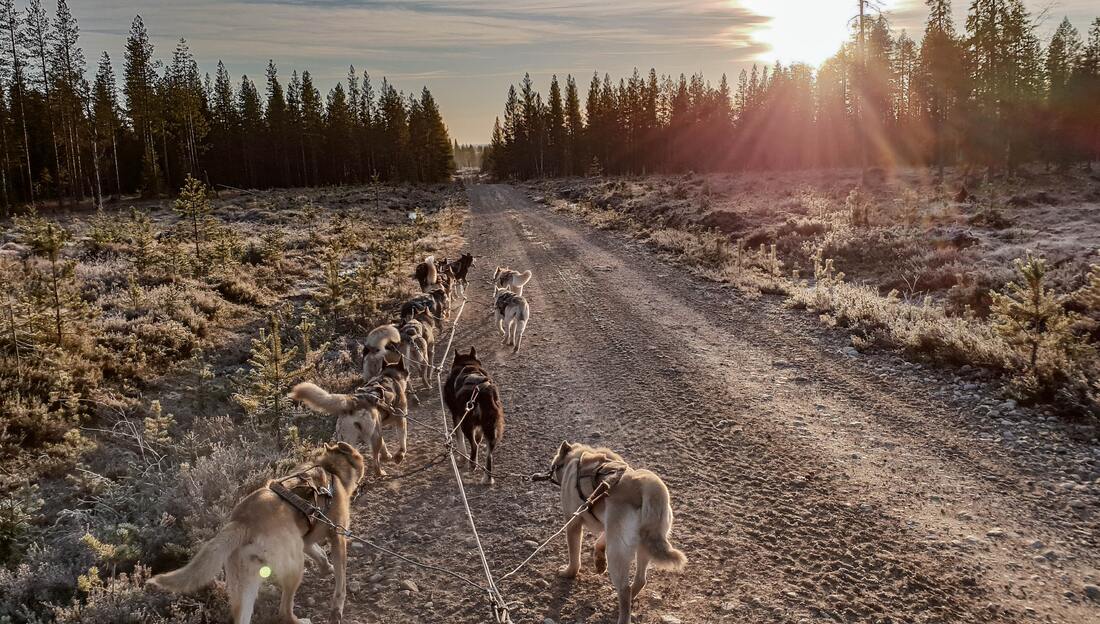
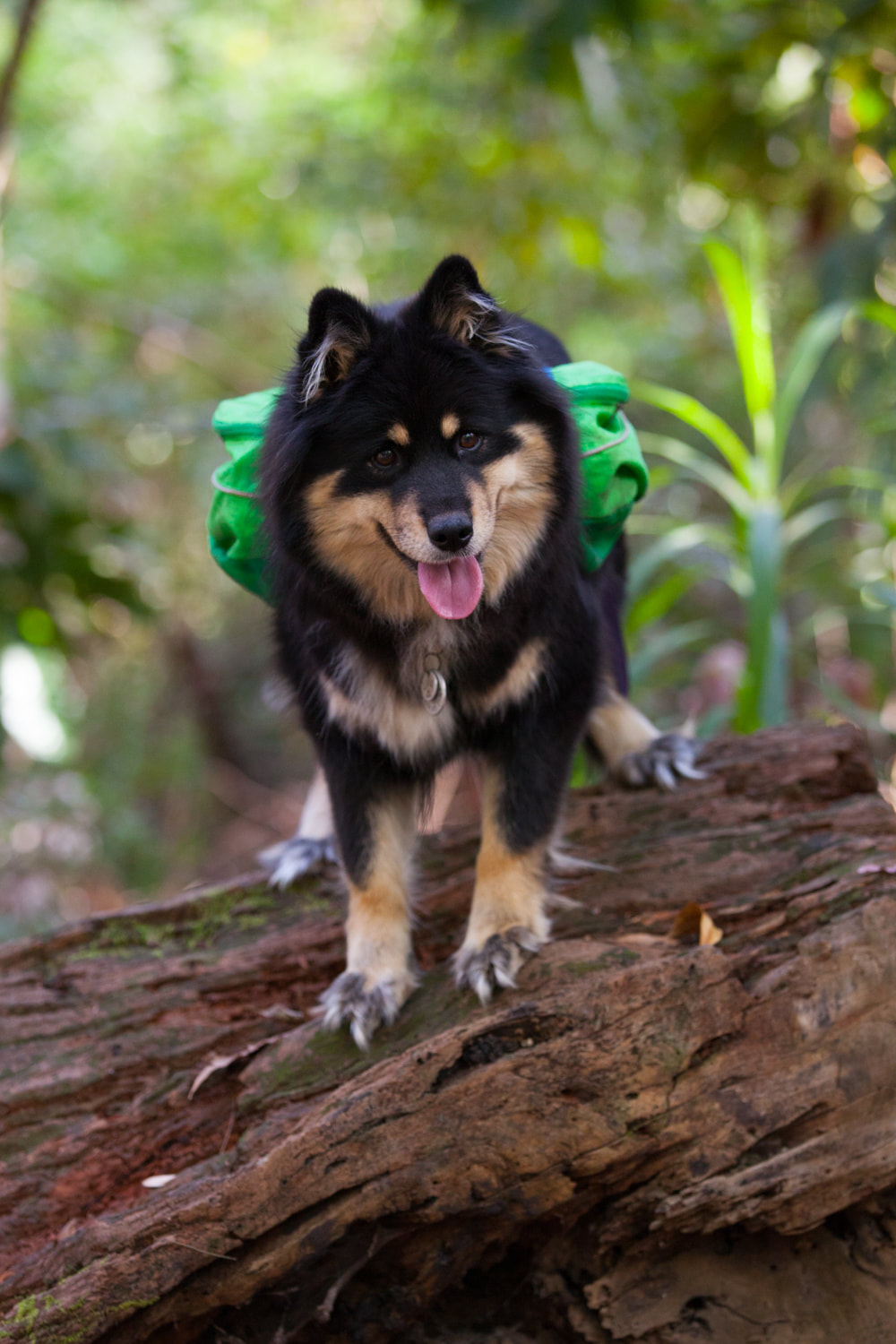
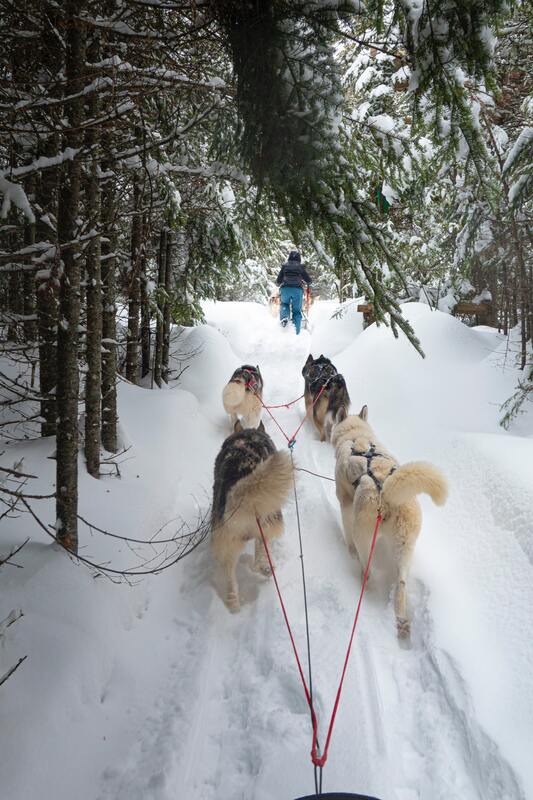
What is sled sports?While sled sports sounds like it would just be traditional mushing (dogs pulling a sled, usually through the snow), under the ANKC, Sled sports is actually a set of three different sports - sled racing, backpacking/hiking and weight pull - all grouped under one set of rules.
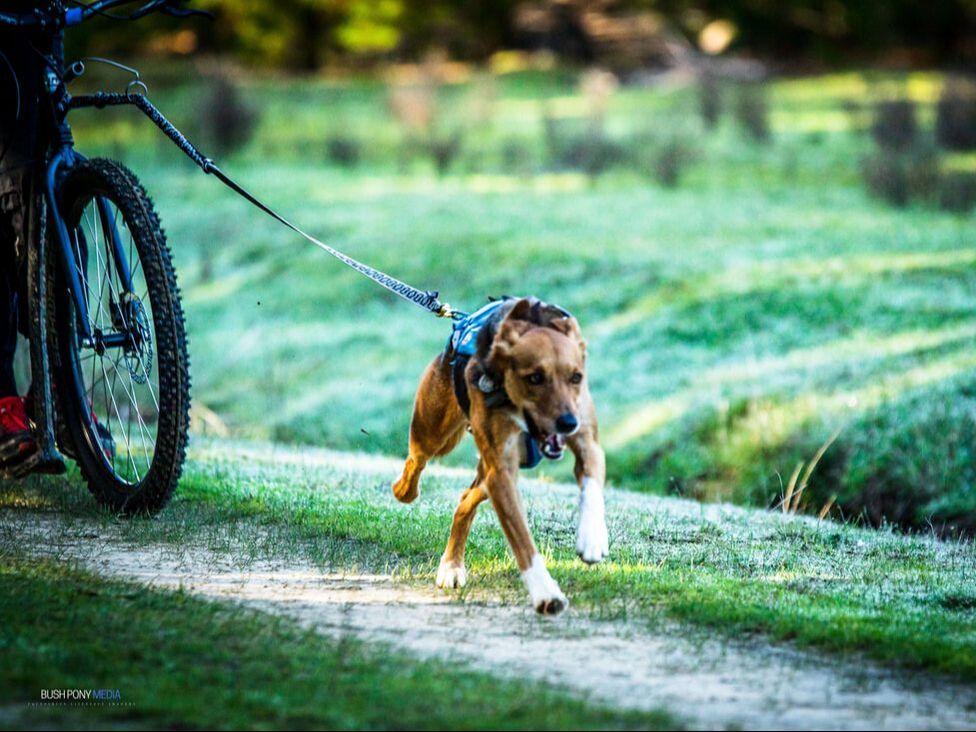
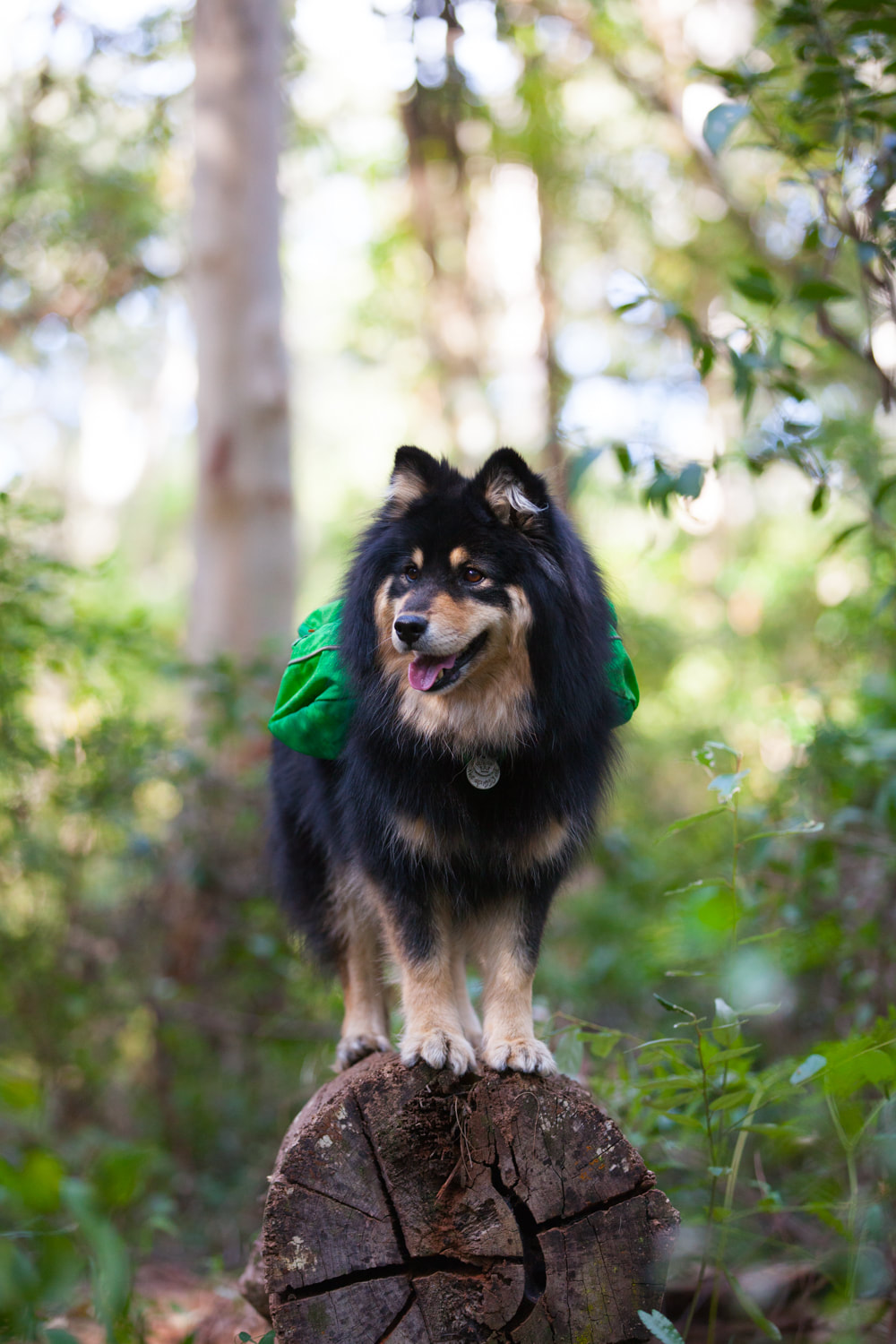
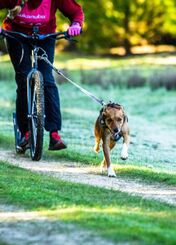
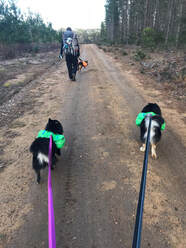
Sled racing is probably the most famous of the three streams. Created to mimic the original purpose of sledding breeds, like the Siberian Husky, Samoyed and Alaskan Malamute, this sport involves a single dog or team of dogs pulling a sled, which is on wheels unless on the event is being held in the snow, over distance at speed. Backpacking/Hiking mimics long distance hiking trips and involves the dog carrying a weighted backpack while the dog and handler hike. Weight Pull requires the dog to be harnessed to a trolley and pull many times its own body weight 5m forward. |
Quick Facts - Sled Racing
|
Training level required: ☆☆☆ (moderate)
Training type: breed club/at home Equipment cost: $$$ (expensive) |
Overseeing body: Australian National Kennel Council
Minimum age for competition: 12 months Breed restrictions: none but dogs must be able to pull a sled at distance so size and strength is a consideration. |
Quick Facts - Backpacking
|
Training level required: ☆ (easy)
Training type: at home Equipment cost: $ (inexpensive) |
Overseeing body: Australian National Kennel Council
Minimum age for competition: 18 months Breed restrictions: open to dogs over 10kgs who are not brachycephalic or achondroplastic breeds |
Quick Facts - Weight Pull
|
Training level required: ☆☆ (moderate)
Training type: breed club/at home Equipment cost: $ (inexpensive) |
Overseeing body: Australian National Kennel Council
Minimum age for competition: 18 months Breed restrictions: only open to dogs over 15kgs |
A note about sled sports equipment
While each discipline within sled sports requires different equipment, no matter what the equipment you need is, you should always ensure that your dog's gear is properly fitted by a professional. Incorrectly fitted gear at best prevents your dog from being able to perform at their best or to not enjoy the sport, and at worst can cause major injury to your dog.
In the several years that we have been trialling in backpacking, we have seen many dogs entered in trials with incorrectly fitted packs, which is a sign to us that the dog has not been adequately trained to compete in the sport prior to the trial - if it had been, the fit of it's pack would have been well and truely tested and found to be inadequate before the trial.
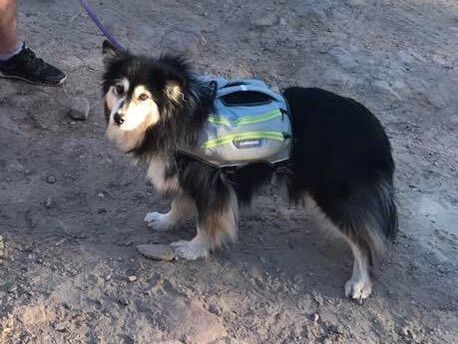
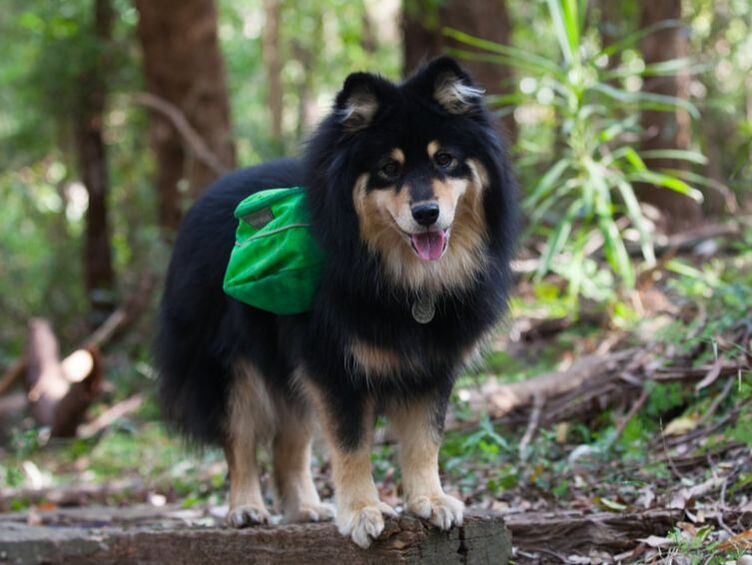
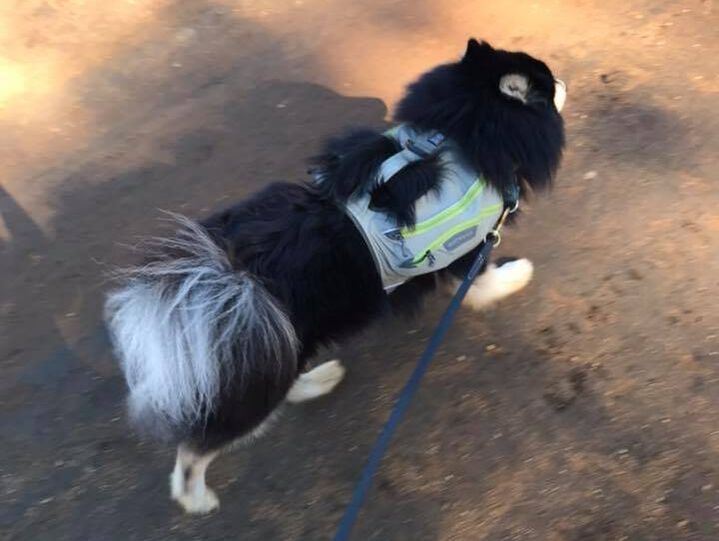
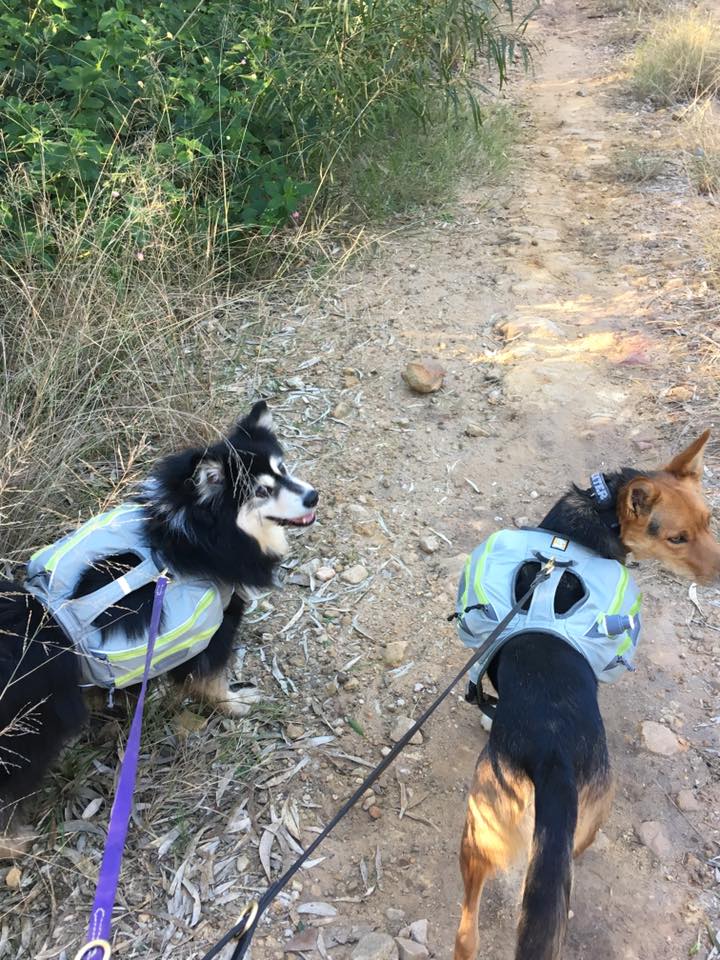
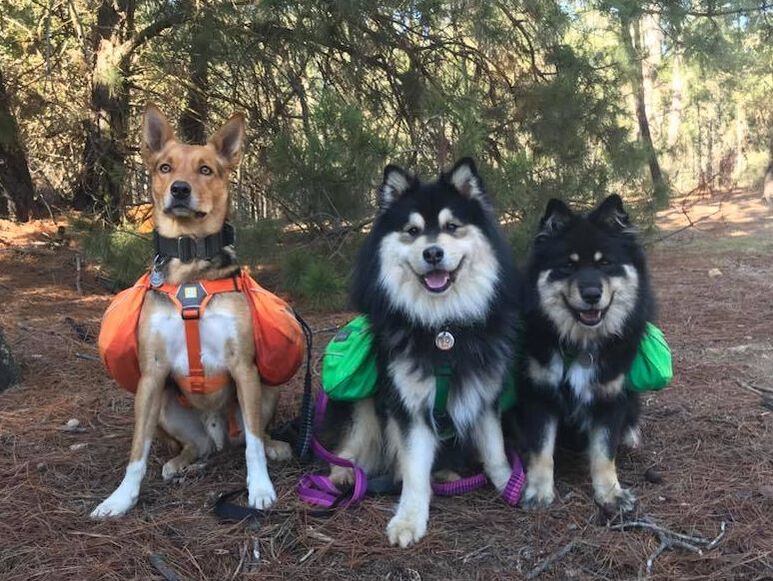
For backpacking, we recommend the Ruffwear range of backpacks (specifically the Singletrak, Approach and Palisades packs), which sit over the shoulders and place the weight of the pack on the dog's weight bearing bones rather than placing strain on the spine and supporting muscles. All of our dogs wear Ruffwear packs while backpacking.
For Sled Racing and Weight Pull, we recommend attending breed club training days and trying on different harnesses, as not every harness is appropriate for every dog. Dexter wears a Nonstop Freemotion harness, which is popular with non-traditional sled dogs, while Solo wears a ManMat harness.
In the several years that we have been trialling in backpacking, we have seen many dogs entered in trials with incorrectly fitted packs, which is a sign to us that the dog has not been adequately trained to compete in the sport prior to the trial - if it had been, the fit of it's pack would have been well and truely tested and found to be inadequate before the trial.
For backpacking, we recommend the Ruffwear range of backpacks (specifically the Singletrak, Approach and Palisades packs), which sit over the shoulders and place the weight of the pack on the dog's weight bearing bones rather than placing strain on the spine and supporting muscles. All of our dogs wear Ruffwear packs while backpacking.
For Sled Racing and Weight Pull, we recommend attending breed club training days and trying on different harnesses, as not every harness is appropriate for every dog. Dexter wears a Nonstop Freemotion harness, which is popular with non-traditional sled dogs, while Solo wears a ManMat harness.
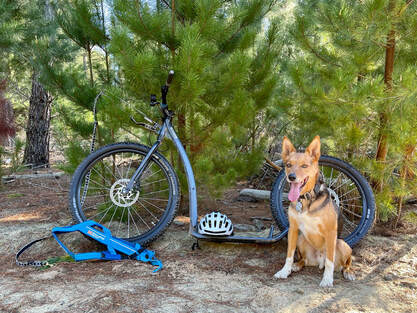
What equipment do I need?Sled Racing: for sled racing, you will need a correctly fitted harness for your dog and a scooter/cart/sled (talk to your trainer about which ones they recommend) depending on the conditions you will be running under, as well as sled kit (gang lines, neck lines and tug lines etc), tie out gear or crates to contain your dog when it is not running, a safety helmet, a head lamp for night races and side cutters to cut through the lines or harnesses in an emergency.
Backpacking: for backpacking, you will need a correctly fitted backpack and weights to slowly build up your dog's strength while training, and then on trial day, you will need consumable weight for their pack (water, food etc) and hiking gear for the owner. For the highest level, WPDX, the handler must carry all the gear needed to camp for the night so lightweight camping and hiking gear is required. Weightpull: for weight pull, you will need a correctly fitting harness for your dog, as well as gear (like lines and a tyre) to train your dog to pull. You should consult with your trainers to find the appropriate sizing and gear for your dog. |
|
Age appropriate exercise
Sled sports are a high impact activity. We would be remiss if we didn't include a warning to pet parents about age appropriate exercise and how it applies to the sport. While the minimum competition age for sled sports is 12 or 18 months old depending on the stream, we recommend not using this as a guideline for when your puppy will be trialling. There are plenty of great foundation exercises you can do to help your puppy's later sled sports training, however we only recommend adding the high impact parts of sled sports training (repetitive running, carrying/pulling heavy weights etc) after the age of 18 months. This will help protect your puppy's growing joints, and help to ensure that they have a long career in the sport. We recommend consulting with your vet before starting training to make sure that your puppy's growth plates have closed, and that they are well-muscled, fit and healthy.
|
How much training is needed?While each discipline has behaviours you will need to teach your dog to successfully compete, much of the training for sled sports is about ensuring that you do adequate conditioning and fitness work to enable your dog to be strong enough and have enough endurance to do the job the sport requires.
Sled Racing requires your dog to run with other dogs if you wish to do so as well as learn directional, pull, brake and stop cues. Dogs who are Backpacking will need to learn to tolerate the weight of the backpack and have the endurance to carry a significant amount of weight for long distances. For Weight Pull dogs will need to be trained to pull in harness towards you. They tend to require a lot of strength building exercises to give them the explosive power to start the cart moving. |
Titles
Sled Racing - as different sledding breeds have different original purposes (Siberian Huskies for example are bred to pull light weights over short distances at speed, and Alaskan Malamutes are bred to pull heavy weights over long distances, more slowly), there are different methods of achieving titles in sled racing, though these are all by running a specific distance, with different conditions placed on the type of sled racing they do and how much weight they are pulling. There are also specific titles for Lead Dogs who must lead a team of at least 3 dogs.
Backpacking/Hiking - backpacking titles require the dog to carry a specific amount of weight over a certain number of kilometres. Rather than achieving qualifications in the sport, dogs earn kilometres towards a total amount. Novice dogs must start the day with 15% of their body weight in their pack and complete 64kms to earn their title, generally broken up into 4 trial days of 16kms each. WPD dogs must start the day with 30% of their bodyweight in their packs and must also complete 64kms, also generally in 4 trips of 16kms each. Excellence dogs require their handlers to carry everything they will need to camp overnight and must start the trial with 30% of their body weight in their pack, and complete 193kms all up in 1-3 trips, generally 3 trips of 64kms each, with an overnight stay on each trip.
Weight Pull - Weight pull dogs earn titles by achieving 4 qualifications in WWPD and 8 qualifications in WWPDX. To earn a WWPD qualification, the dog must pull at least a cart with 4 times its body weight on a natural surface like grass or 8 times its body weight on an artificial surface like concrete over 5 metres within 60 seconds. To earn a WWPDX qualification, the dog must pull at least 16 times its body weight on a natural surface or between 19 and 23 times its body weight (depending on the weight of the dog) on an artificial surface.
Backpacking/Hiking - backpacking titles require the dog to carry a specific amount of weight over a certain number of kilometres. Rather than achieving qualifications in the sport, dogs earn kilometres towards a total amount. Novice dogs must start the day with 15% of their body weight in their pack and complete 64kms to earn their title, generally broken up into 4 trial days of 16kms each. WPD dogs must start the day with 30% of their bodyweight in their packs and must also complete 64kms, also generally in 4 trips of 16kms each. Excellence dogs require their handlers to carry everything they will need to camp overnight and must start the trial with 30% of their body weight in their pack, and complete 193kms all up in 1-3 trips, generally 3 trips of 64kms each, with an overnight stay on each trip.
Weight Pull - Weight pull dogs earn titles by achieving 4 qualifications in WWPD and 8 qualifications in WWPDX. To earn a WWPD qualification, the dog must pull at least a cart with 4 times its body weight on a natural surface like grass or 8 times its body weight on an artificial surface like concrete over 5 metres within 60 seconds. To earn a WWPDX qualification, the dog must pull at least 16 times its body weight on a natural surface or between 19 and 23 times its body weight (depending on the weight of the dog) on an artificial surface.
Sled Racing
|
Backpacking/Hiking
|
Weight Pull
|