|
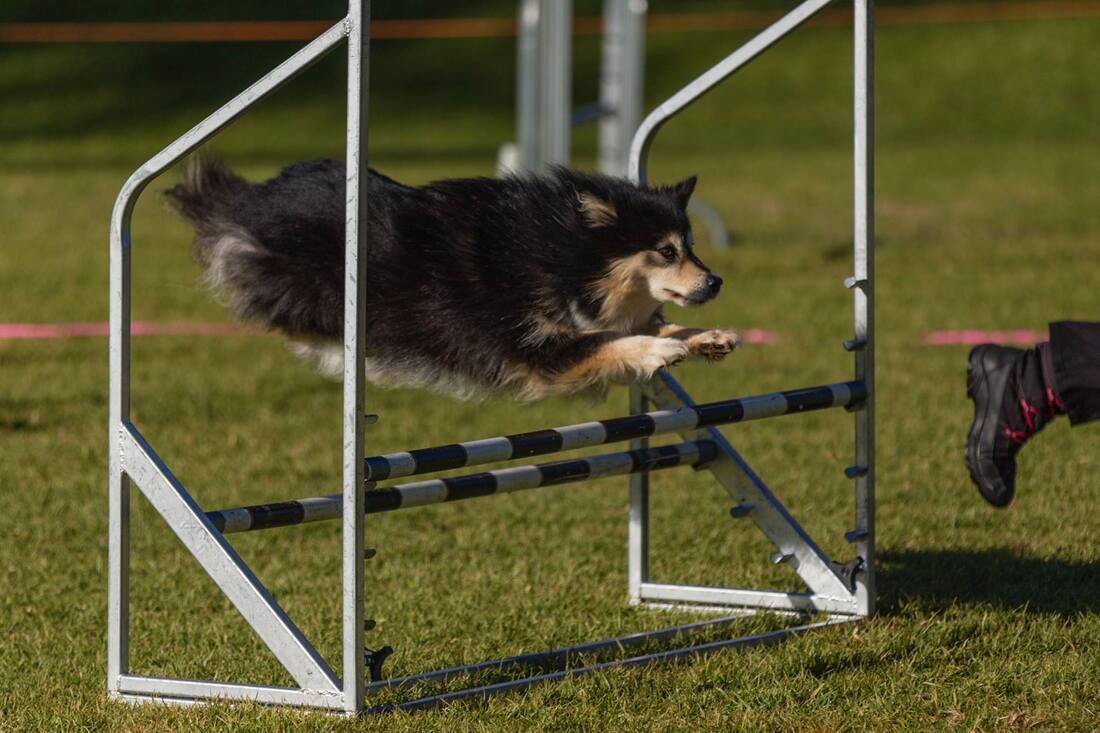
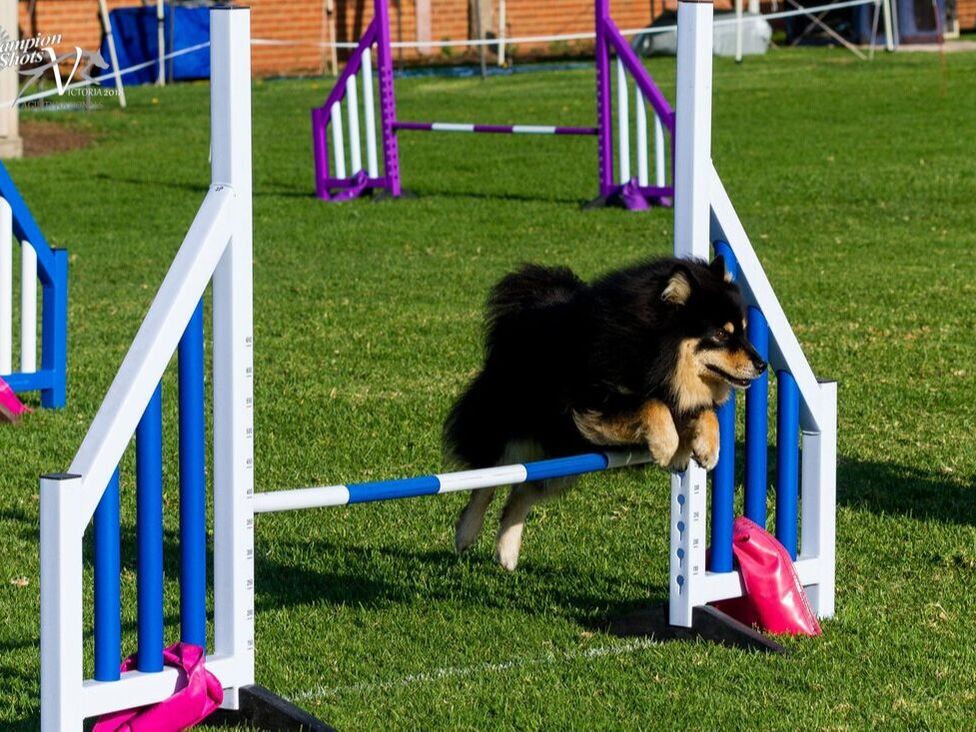
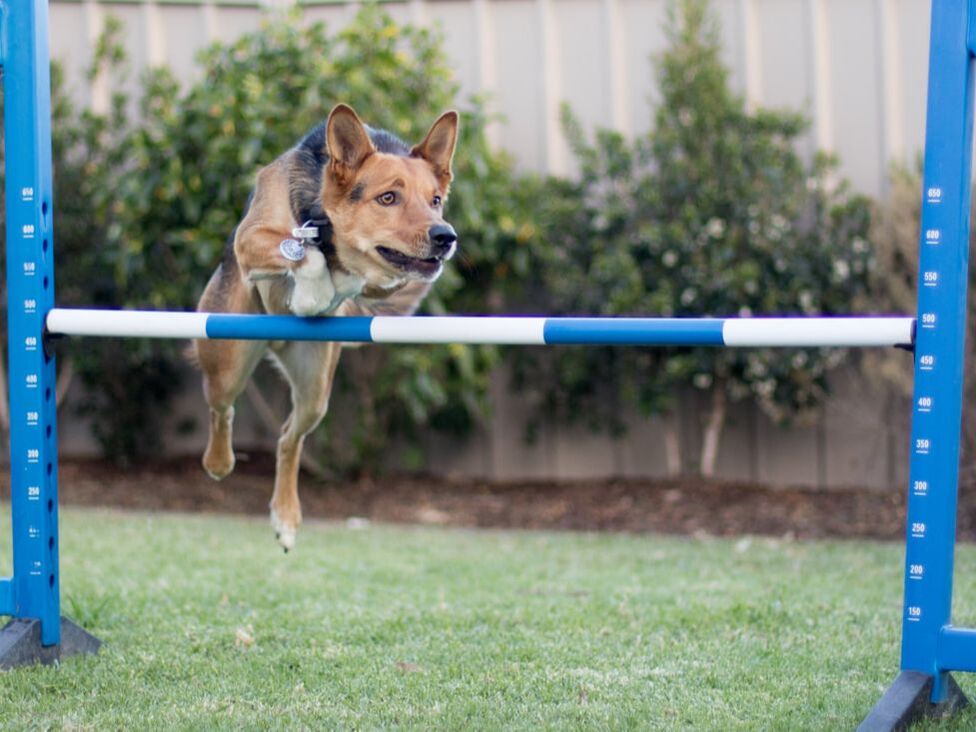
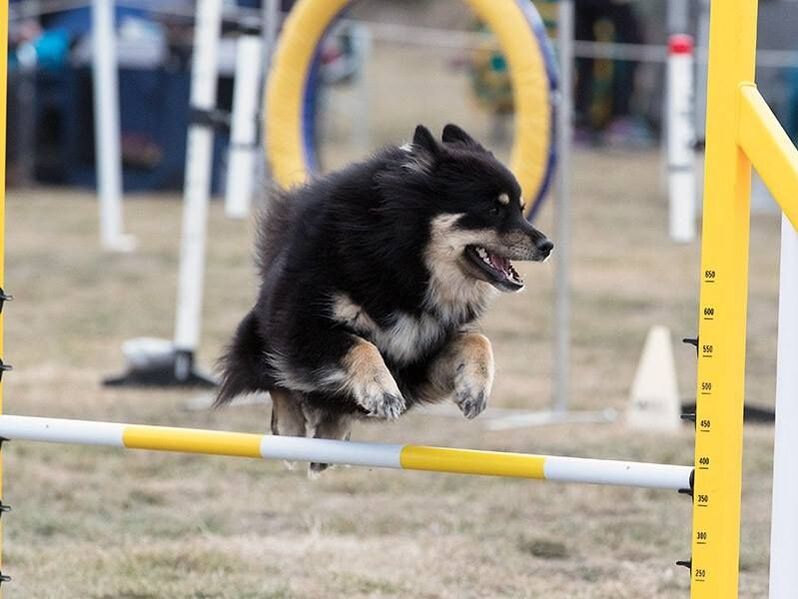
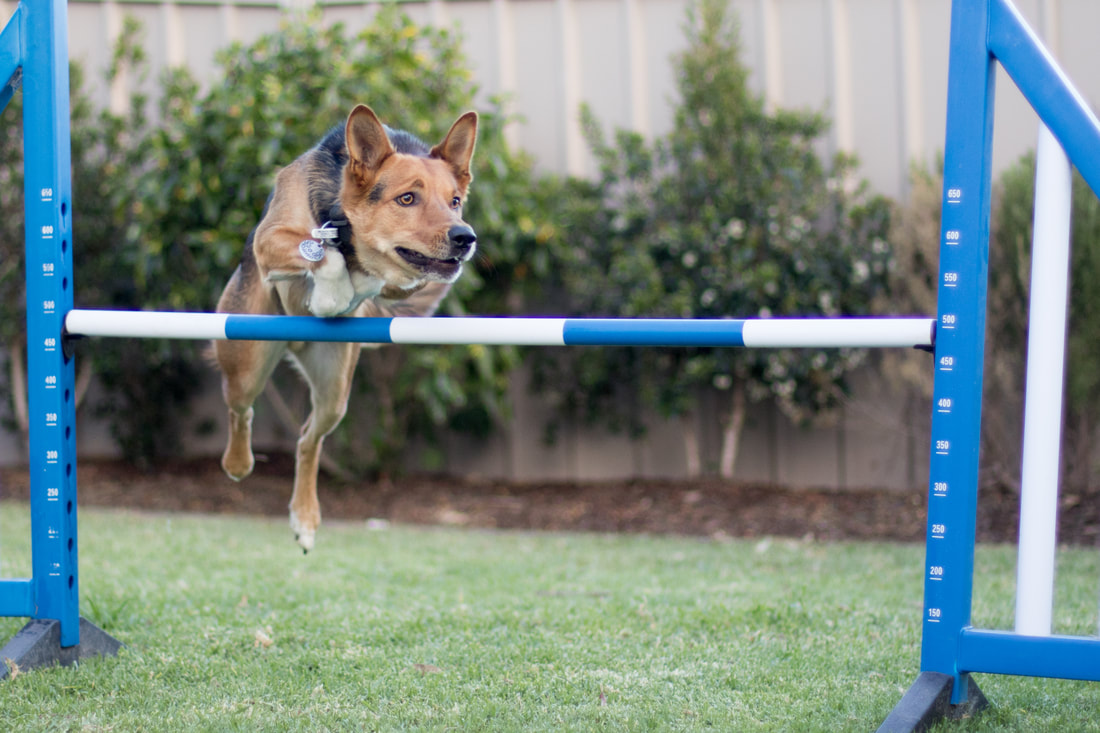
What is agility?One of the more active and exciting sports out there, agility is almost like show jumping for dogs. Handlers help their dogs navigate their way around a numbered obstacle course set out by a judge. The dog and handler have one chance to complete the course successfully - if they drop a bar, miss touching a contact, or take too long to run the course, they accrue faults and won't earn a qualification towards a title. Miss an obstacle, or do them in the wrong order, and the dog and handler will be disqualified. Places are awarded for clean runs, according to the fastest times.
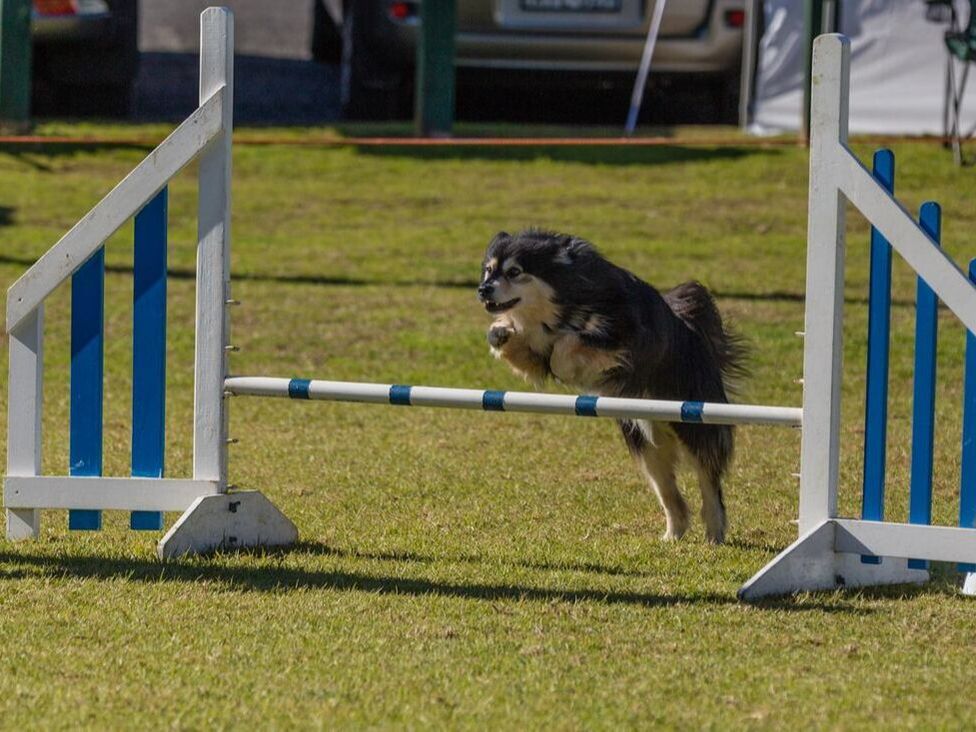
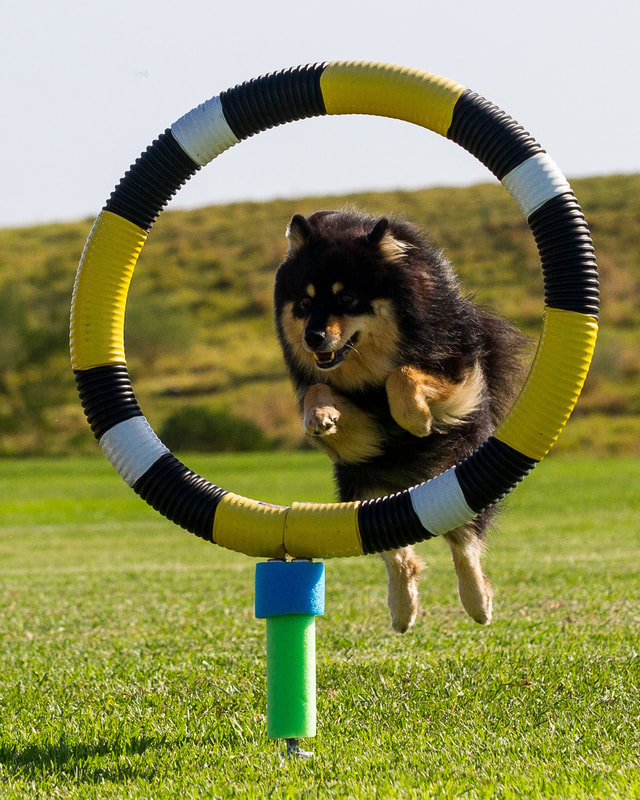
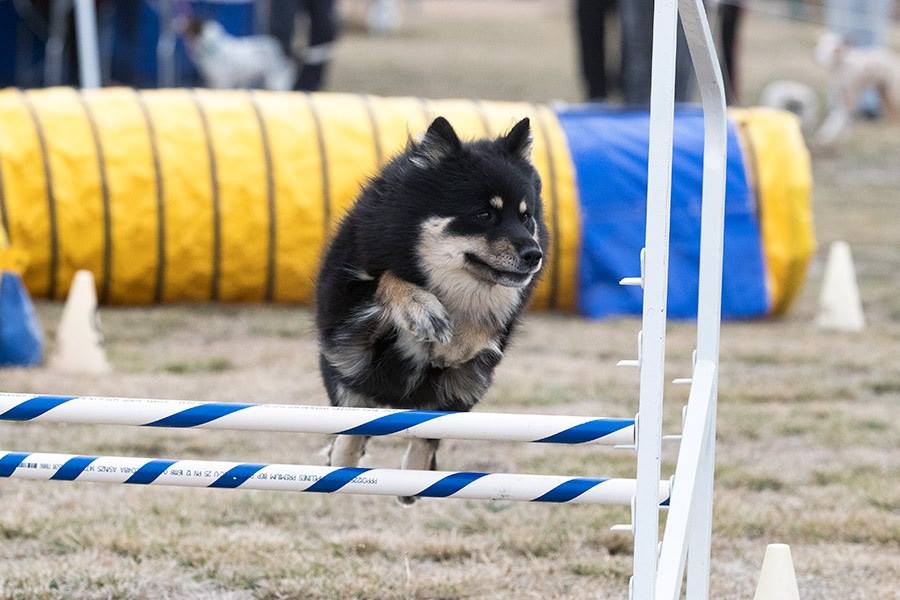
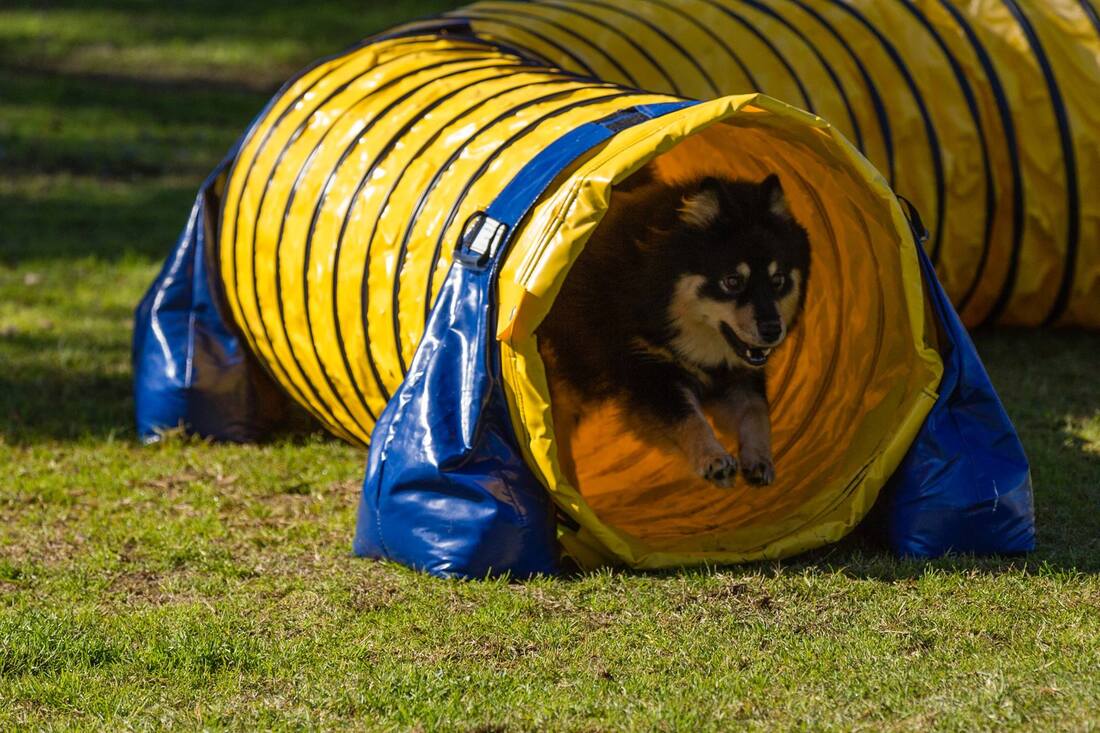
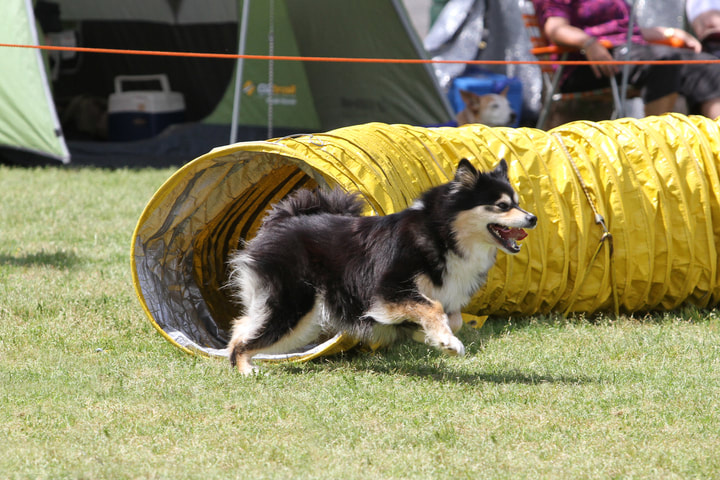
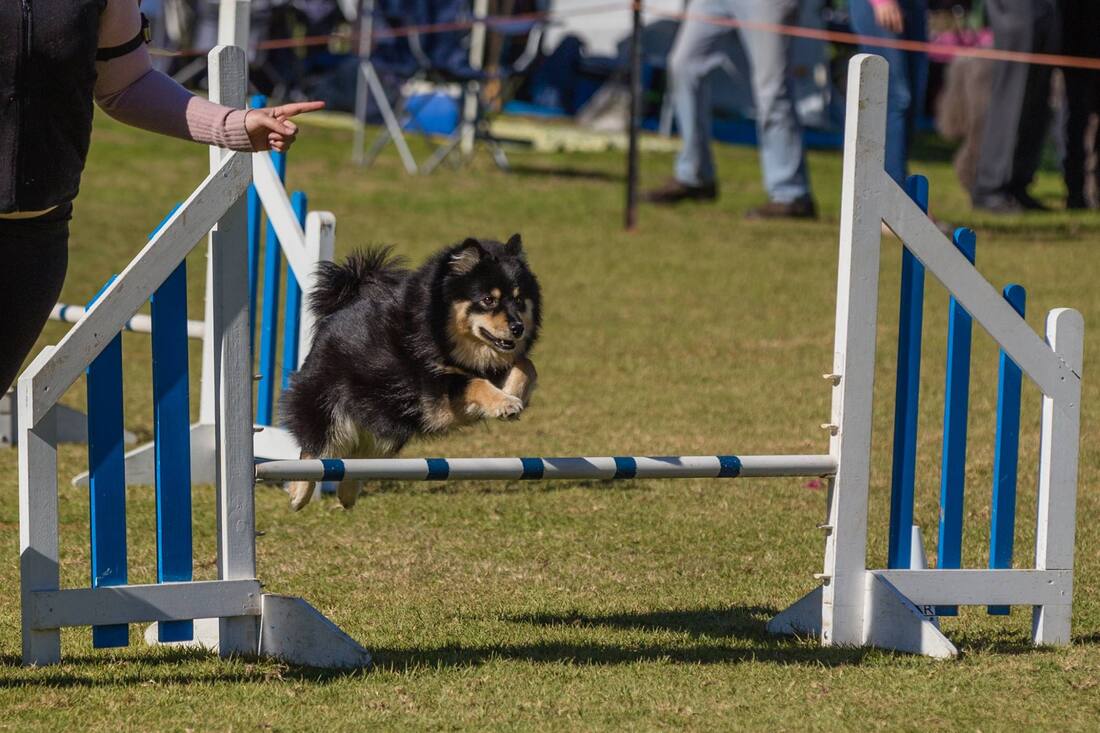
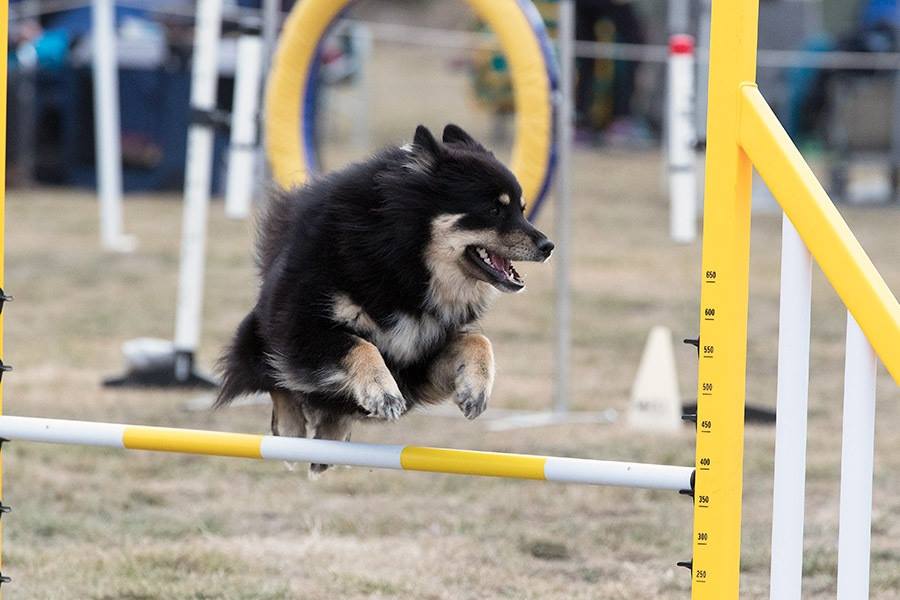
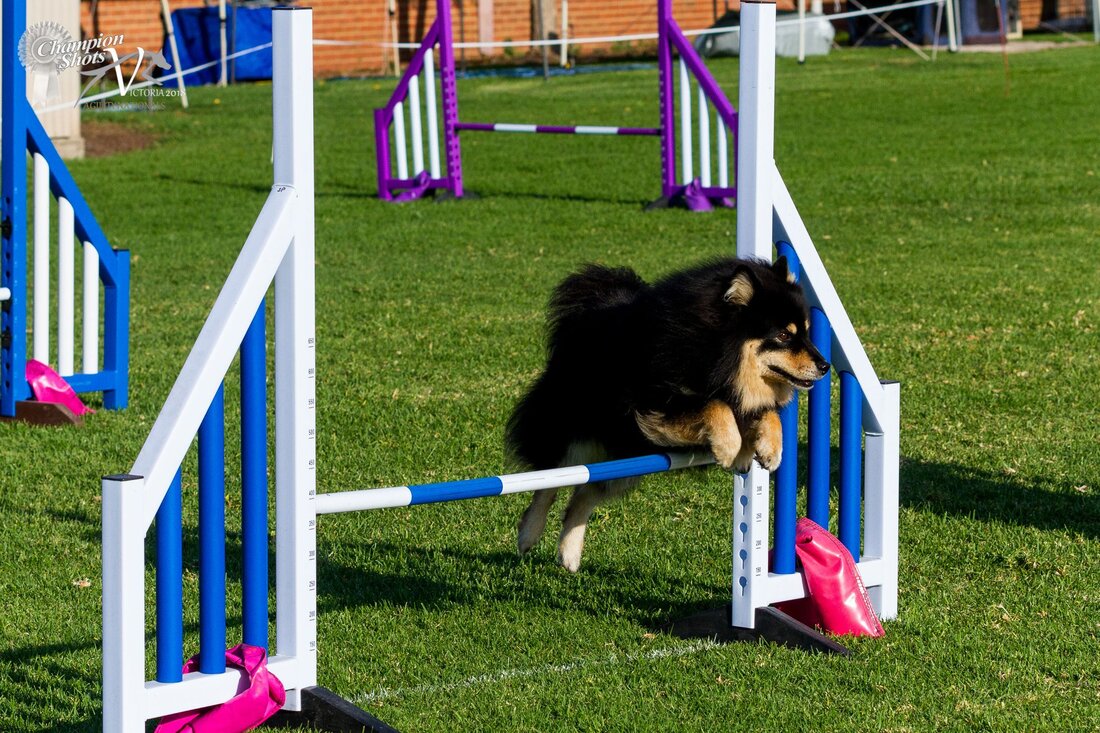
Obstacles include different types of jumps (winged and non-winged jumps, tyre, broad and spread), a-frames, dog walks, weavers and tunnels. Each course is different, though handlers are allowed to walk the course without their dog before the competition starts so they know the course and can work out how best to handle their dog to get through it. |
Quick Facts
|
Training level required: ☆☆☆ (medium)
Training type: agility club/at home/private lessons Equipment cost: $$ (medium) |
Overseeing body: Australian National Kennel Council
Minimum age for competition: 18 months Breed restrictions: None! Open to all breeds |
What equipment do I need?Fully training all of the different pieces of equipment at home would require a full set of (very expensive) gear, including all the different types of jumps, an a-frame, a dog walk, a set of 12 weaves and several tunnels. The gear is very heavy and bulky, so not many people would have the amount of space they needed to train a full course at home, even if they did have all of the gear. For this reason, many handlers will own several jumps, maybe a tunnel and a set of weaves or a piece of contact equipment and then train the rest of the behaviours for the sport at a club.
There are lots of DIY solutions out there for teaching the foundations of different equipment (like owning a miniature piece of contact equipment or small board for teaching a 2on2off contact) and there are many designs for DIY jumps, made from PVC available online. |
|
Age appropriate exercise
Agility is a high impact sport. We would be remiss if we didn't include a warning to pet parents about age appropriate exercise and how it applies to the sport. While the minimum competition age for agility is 18 months old, we recommend not using this as a guideline for when your puppy will be trialling. There are plenty of great foundation exercises you can do to help your puppy's later agility training, however we only recommend adding the high impact parts of agility training (tight turns, jumping, weaves etc) after the age of 18 months. This will help protect your puppy's growing joints, and help to ensure that they have a long career in the sport. We recommend consulting with your vet before starting training to make sure that your puppy's growth plates have closed, and that they are well-muscled, fit and healthy.
|
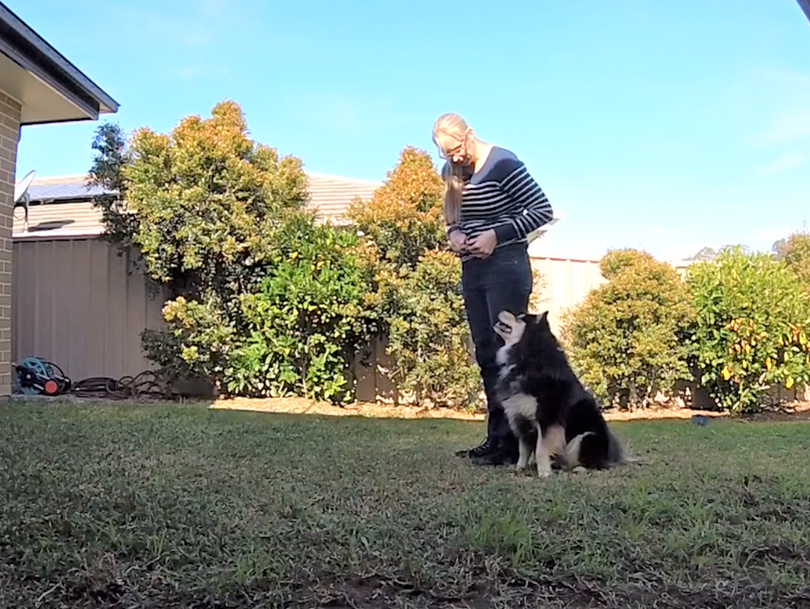
How much training is needed?While there is quite a lot of training to do in agility to teach your dog how to navigate each of the obstacles safely, agility training is as much about teaching the handler as it is about the dog! The handler tells the dog what they need the dog to do through body language, hand gestures and verbal cues and handlers are allowed to walk the course prior to running it with their dog so they can decide the best way to run it, and find out what cues they will need to give as they are running.
As with most sports, there are people who seriously train in agility, teaching complex handling systems and making sure that the dog knows every piece of equipment in and out, and those that use more simple handling techniques. We recommend finding a handling system that works for your dog (we have used both Handling 360 and One Mind Dogs and recommend both of these), and learning how to teach your dog to be handled in that style. As a bare minimum, dogs will need to know how to jump all of the different jumps, as well as run through a tunnel to enter novice jumping, but will need to know all of the equipment to enter novice agility and games, though the novice level of the games may not always include everything. |
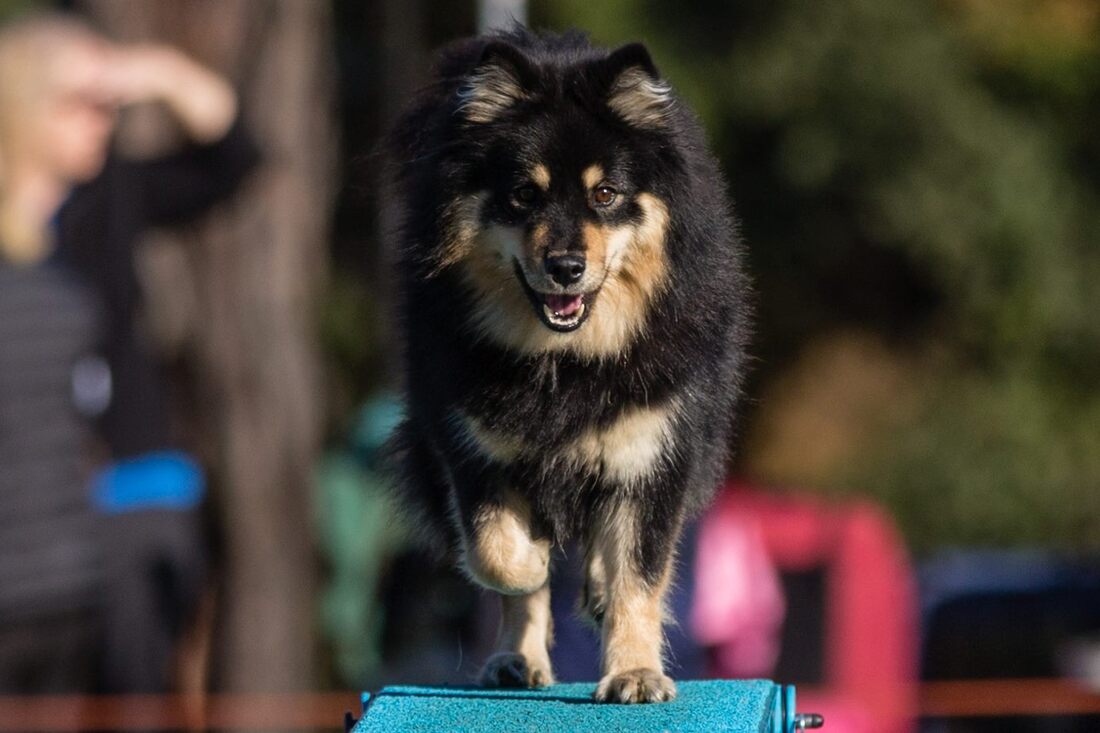
Titles
Agility has the highest number of title "streams" of any dog sport. At any one time, dogs can have up to seven different agility titles after their name (suffix titles) as well as the agility championship before their name (prefix title). The jumping and agility streams require 5 qualifications for the novice title, 6 qualifications for excellent and 7 qualifications for masters. Dogs must begin in novice and move into the next level once they have received their title in novice and excellent. Once they have achieved their masters title, they begin accruing points towards the agility championship, but are also able to receive numbered masters titles (JDM2, ADM3 for example) for every 7 qualifications they get in the class after they have achieved their first masters title.
The open title streams (Jumping Dog Open and Agility Dog Open) are open to all dogs, regardless of experience and require 5 qualifications for each title. Once the dog has earned the title, they may continue competing in open, with numbered titles available for every 5 qualifications the dog receives.
The games titles (Snooker, Gamblers and Strategic Pairs) operate in a similar way to the jumping and agility streams, however as they are not on offer at as many trials, the number of qualifications needed for the titles at the novice and excellent level is lower - 3 qualifications for novice, 5 for excellent and 7 for masters.
Only the highest title the dog has achieved in each stream is included in their registered name - if dog gains their JD and JDX titles, only the JDX title will appear on their name. The titles, in order are:
The open title streams (Jumping Dog Open and Agility Dog Open) are open to all dogs, regardless of experience and require 5 qualifications for each title. Once the dog has earned the title, they may continue competing in open, with numbered titles available for every 5 qualifications the dog receives.
The games titles (Snooker, Gamblers and Strategic Pairs) operate in a similar way to the jumping and agility streams, however as they are not on offer at as many trials, the number of qualifications needed for the titles at the novice and excellent level is lower - 3 qualifications for novice, 5 for excellent and 7 for masters.
Only the highest title the dog has achieved in each stream is included in their registered name - if dog gains their JD and JDX titles, only the JDX title will appear on their name. The titles, in order are:
Jumping
|
Agility
|
Open
|
Snooker
|
Gamblers
|
Strategic Pairs
|
Championship
|
The first level of competition
Novice Jumping & AgilityThere are lots of different ways to begin trialling in agility. Some people prefer to enter just novice jumping or novice agility which have courses that tend to flow nicely and are quite straight forward for both dogs and handlers, whereas some prefer to enter games, which allow handlers to pick much of the course, and therefore, play to their dogs' strengths.
Entering novice jumping (JD) and novice agility (AD) is our preferred method of starting in the sport, especially for new handlers. There are often much more experienced handlers in the ring who can help novice handlers decide how they're going to run the course and may show them a better way to run it than they would have been able to without help. In novice jumping, dogs need to navigate all the different kinds of jumps, as well as tunnels and they will be expected to be able to run a course of up to 15 obstacles. In novice agility, dogs need to be able to navigate all the obstacles, with the exception of the see-saw, which doesn't make an appearance in the ring until dogs have achieved their novice titles. |
|